


No products in the cart.
 | Cosmeceuticals & Devices FDA/CE Approved |  | 100% of Customers Examined by Dermatologists |  | Infection control Follows MoH's standard |
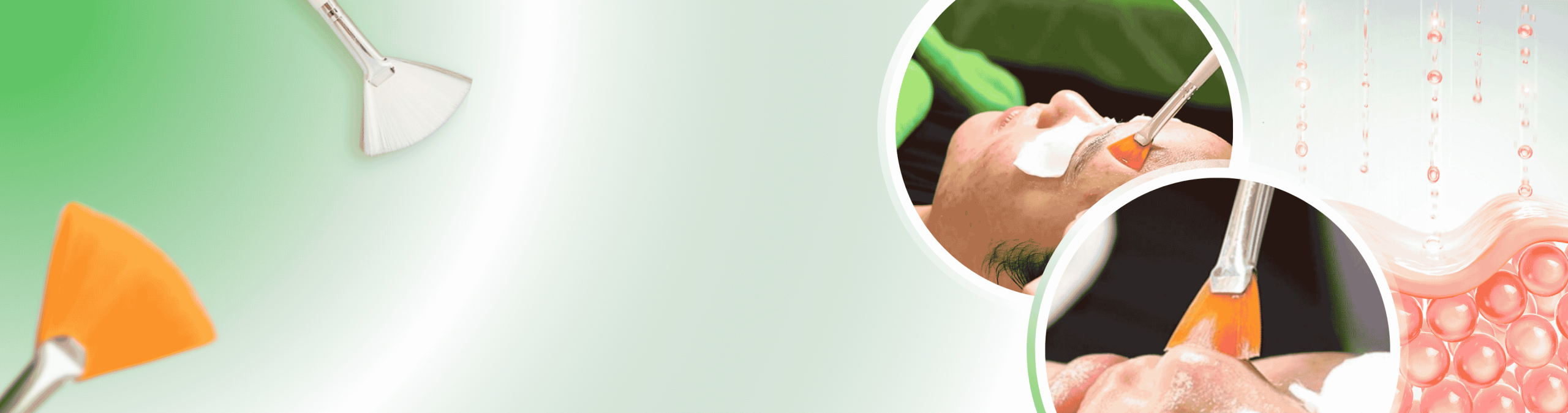

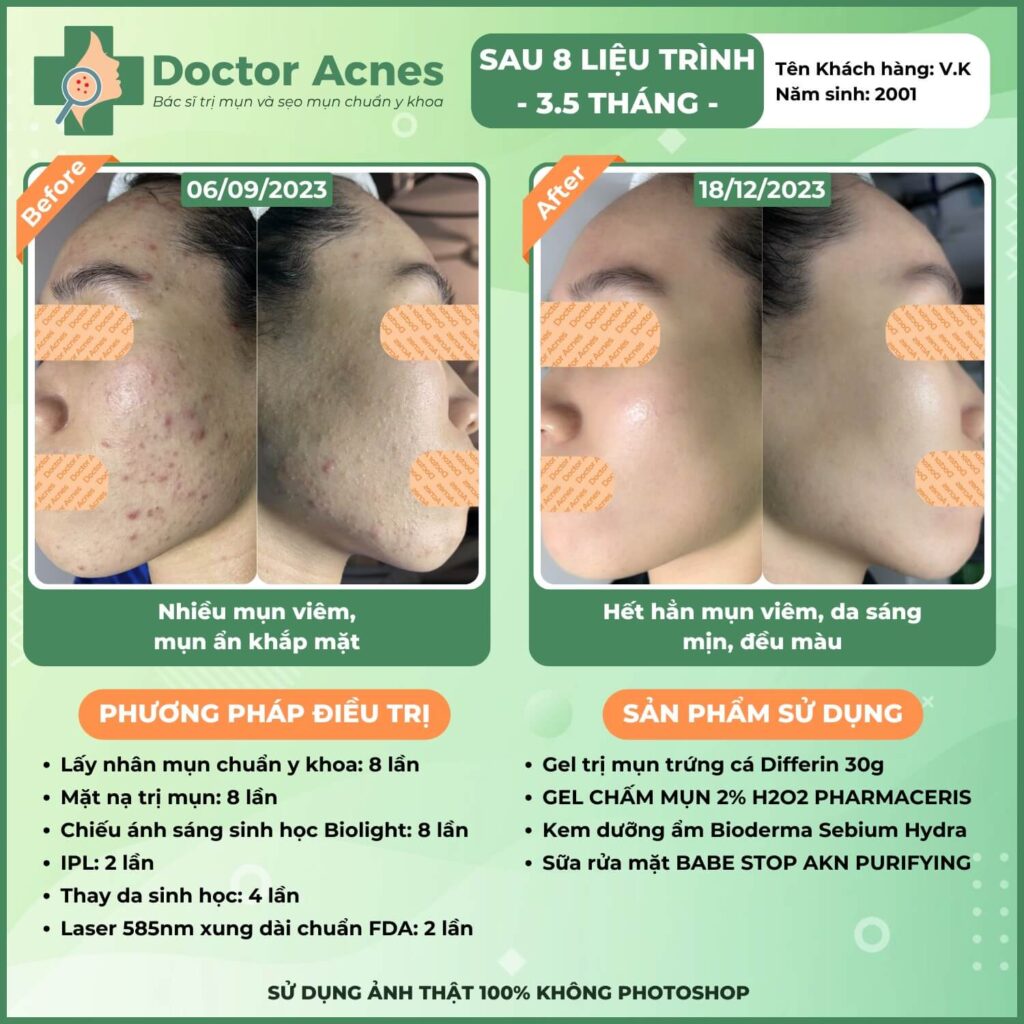
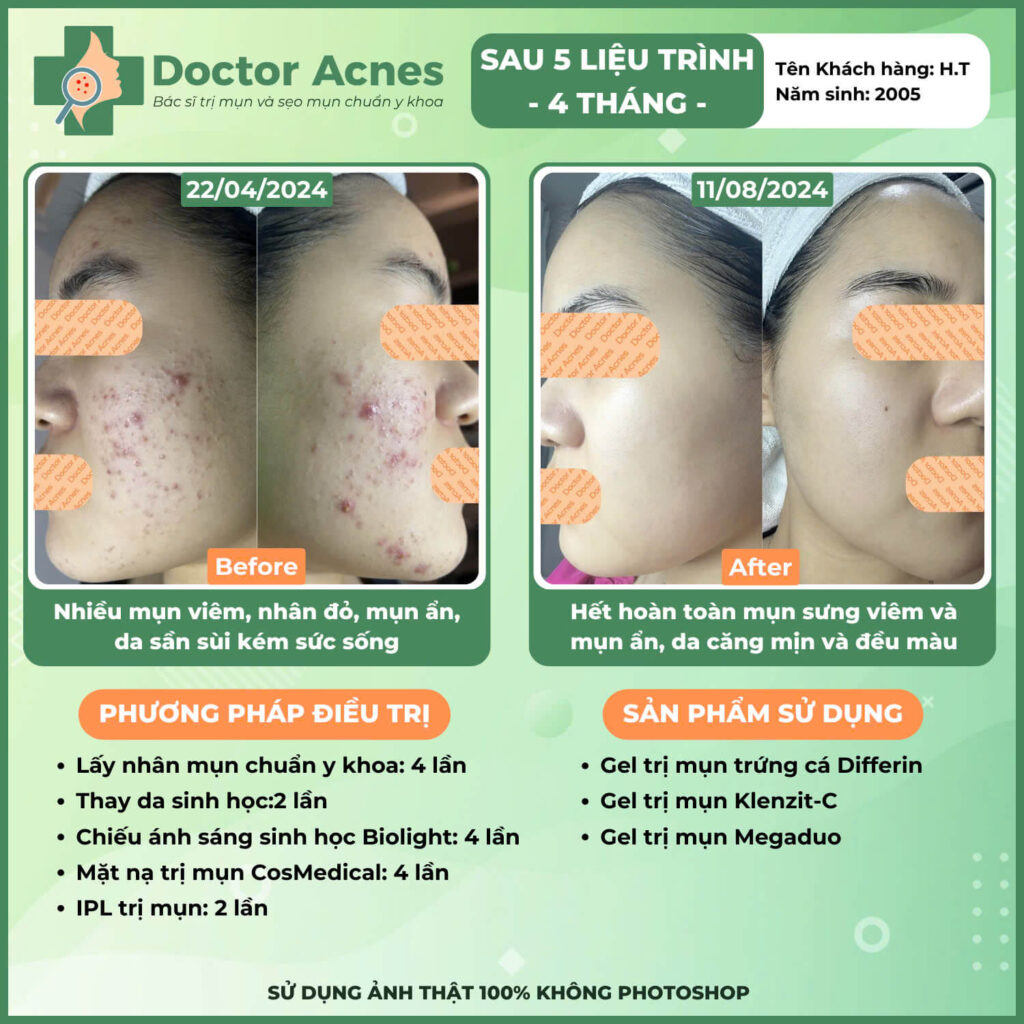
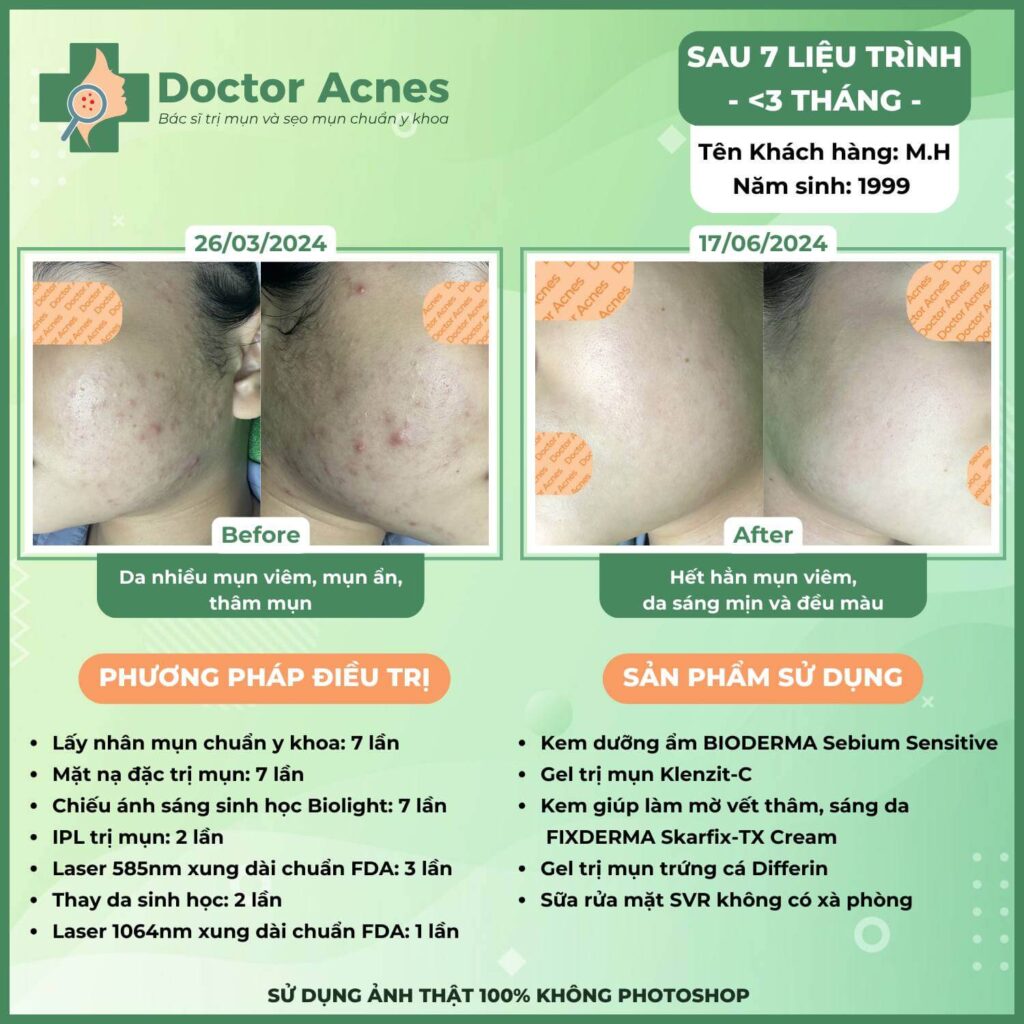
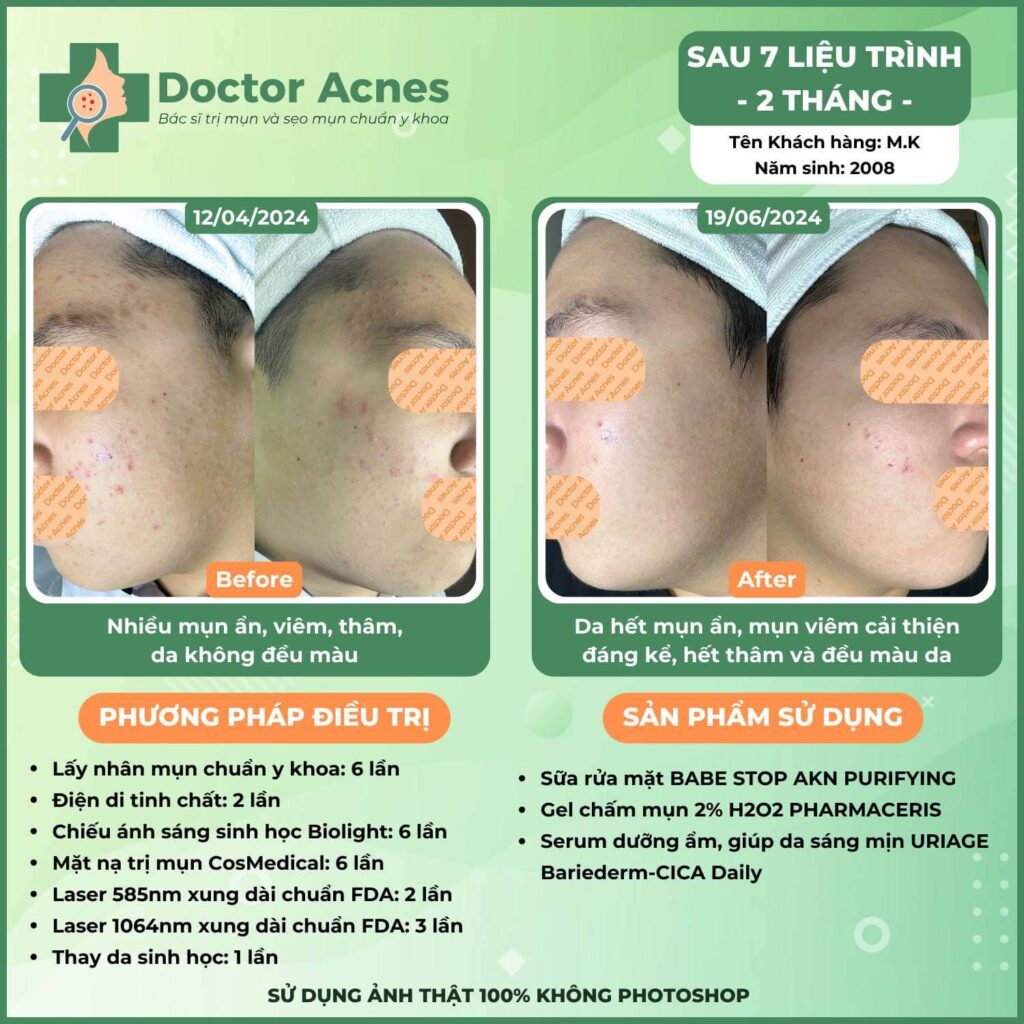
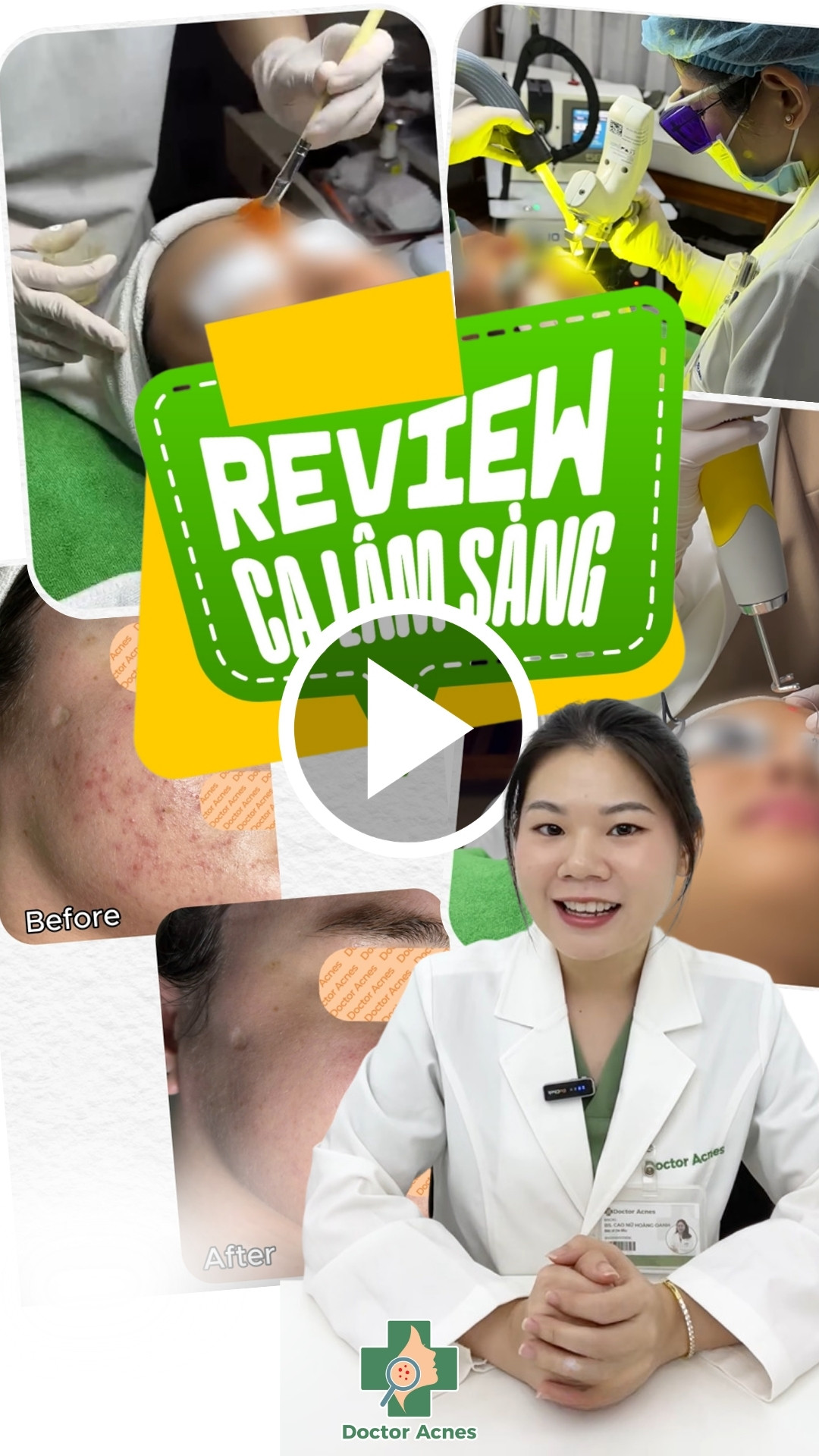
Skin peeling is a skin resurfacing procedure that uses the exfoliating activity of agents, usually benign acids, to stimulate skin cell shedding, regenerate brighter new skin, and simultaneously treat a range of skin issues such as acne, uneven skin tone, aging skin, and acne scars.

Depending on whether the acne is inflammatory or non-inflammatory, and whether it is accompanied by dark spots, different peeling agents can be used at various concentrations, such as:
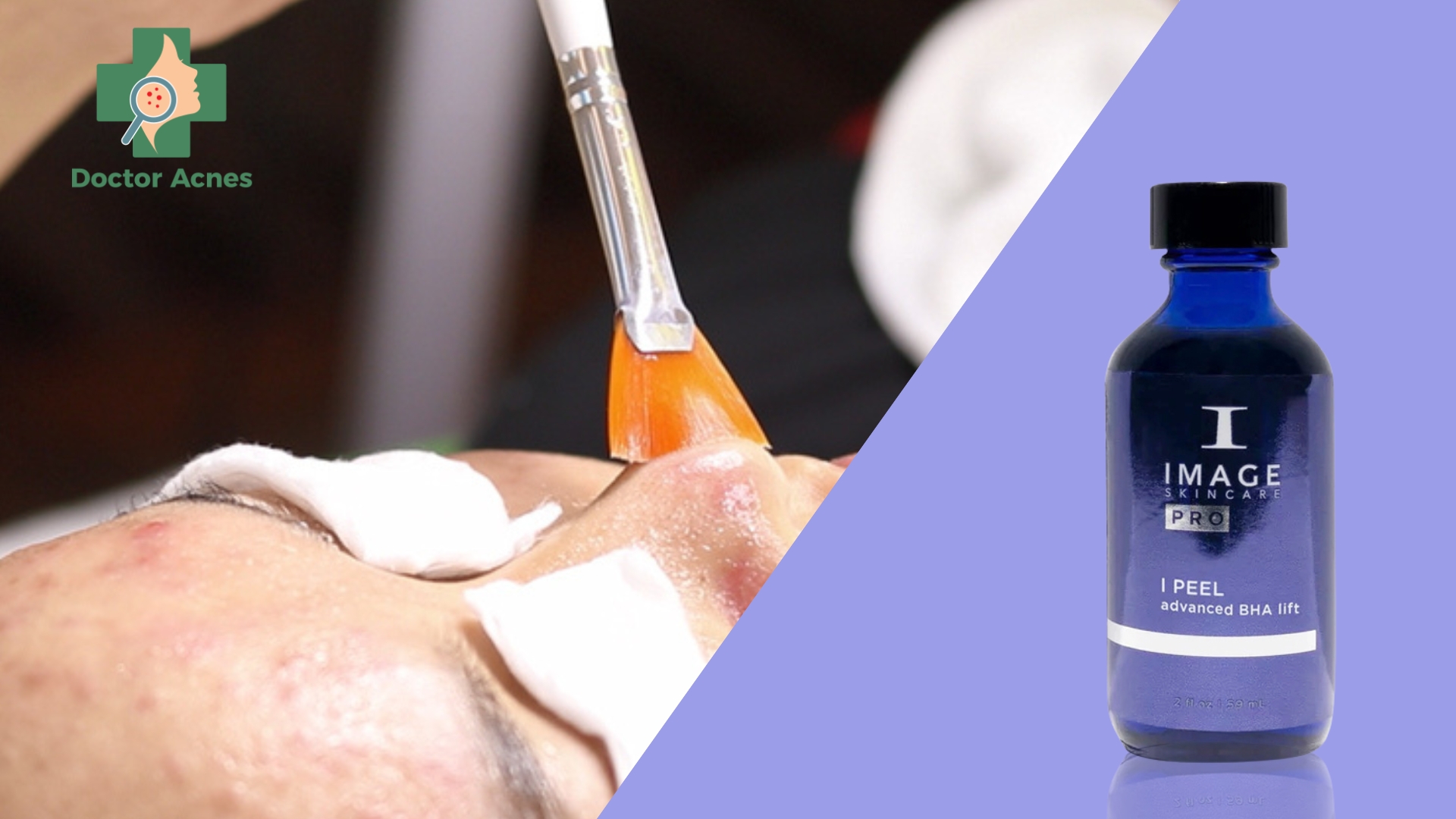
Salicylic acid peels
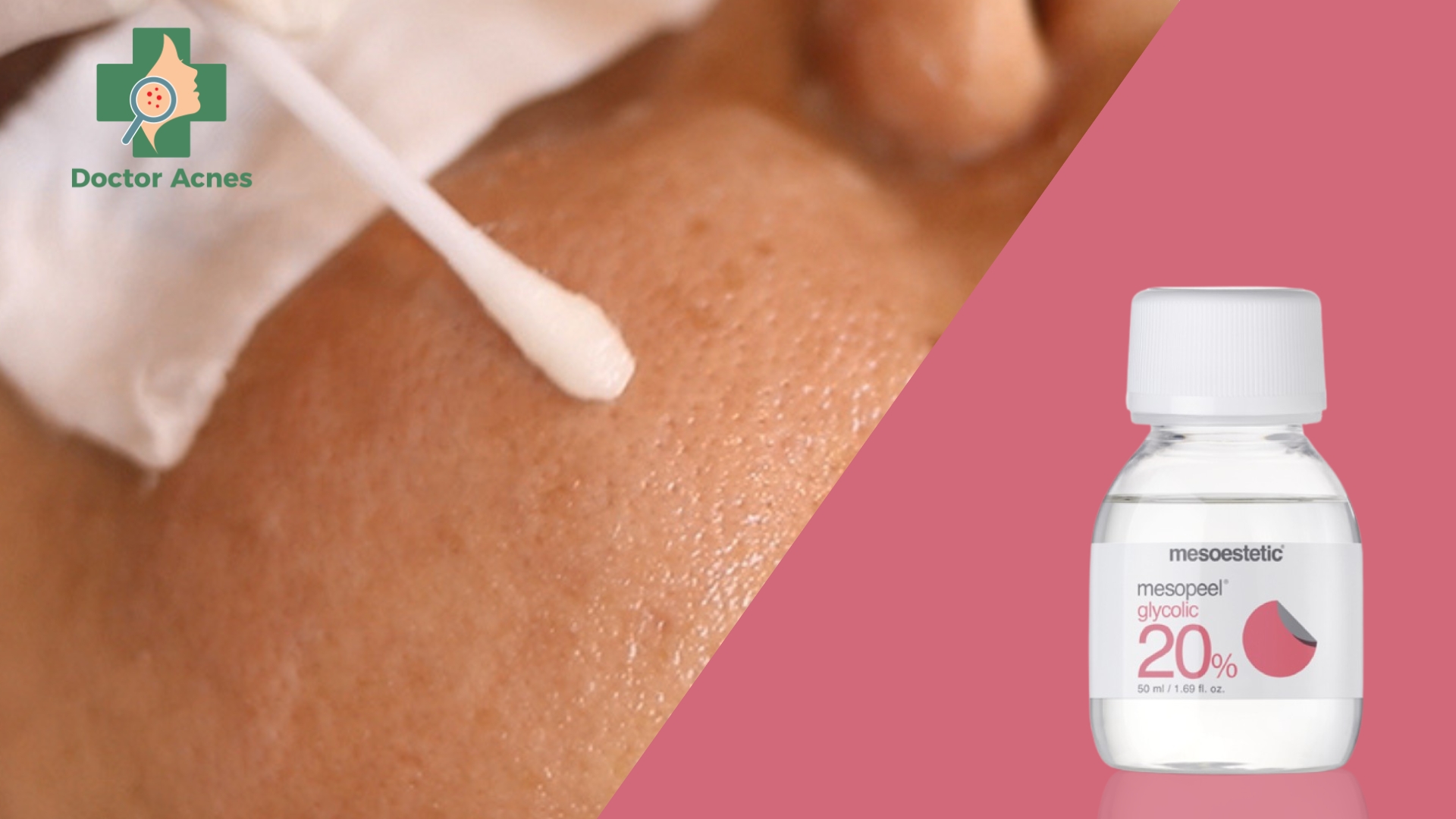
Glycolic acid peels
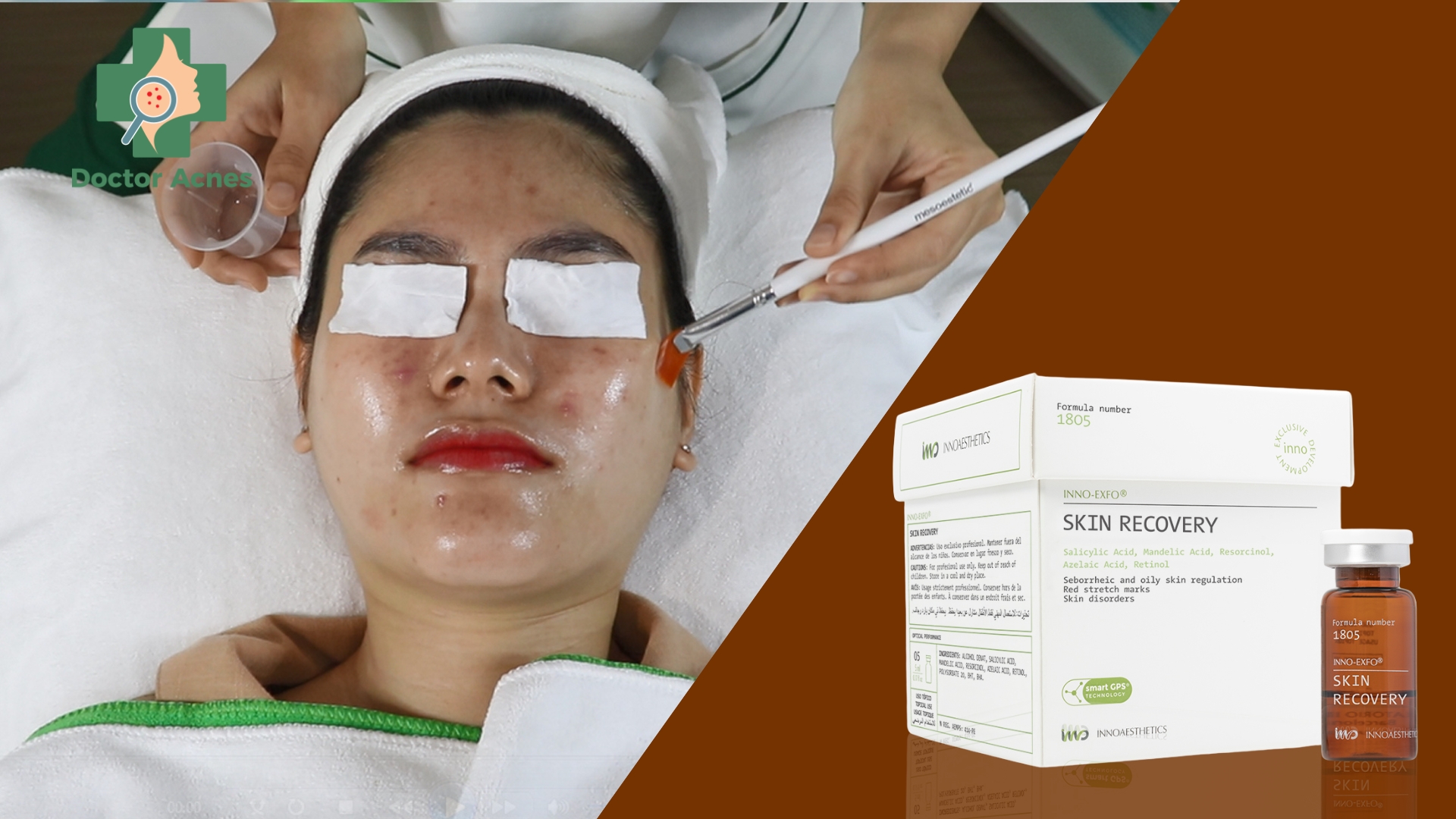
Retinol peels
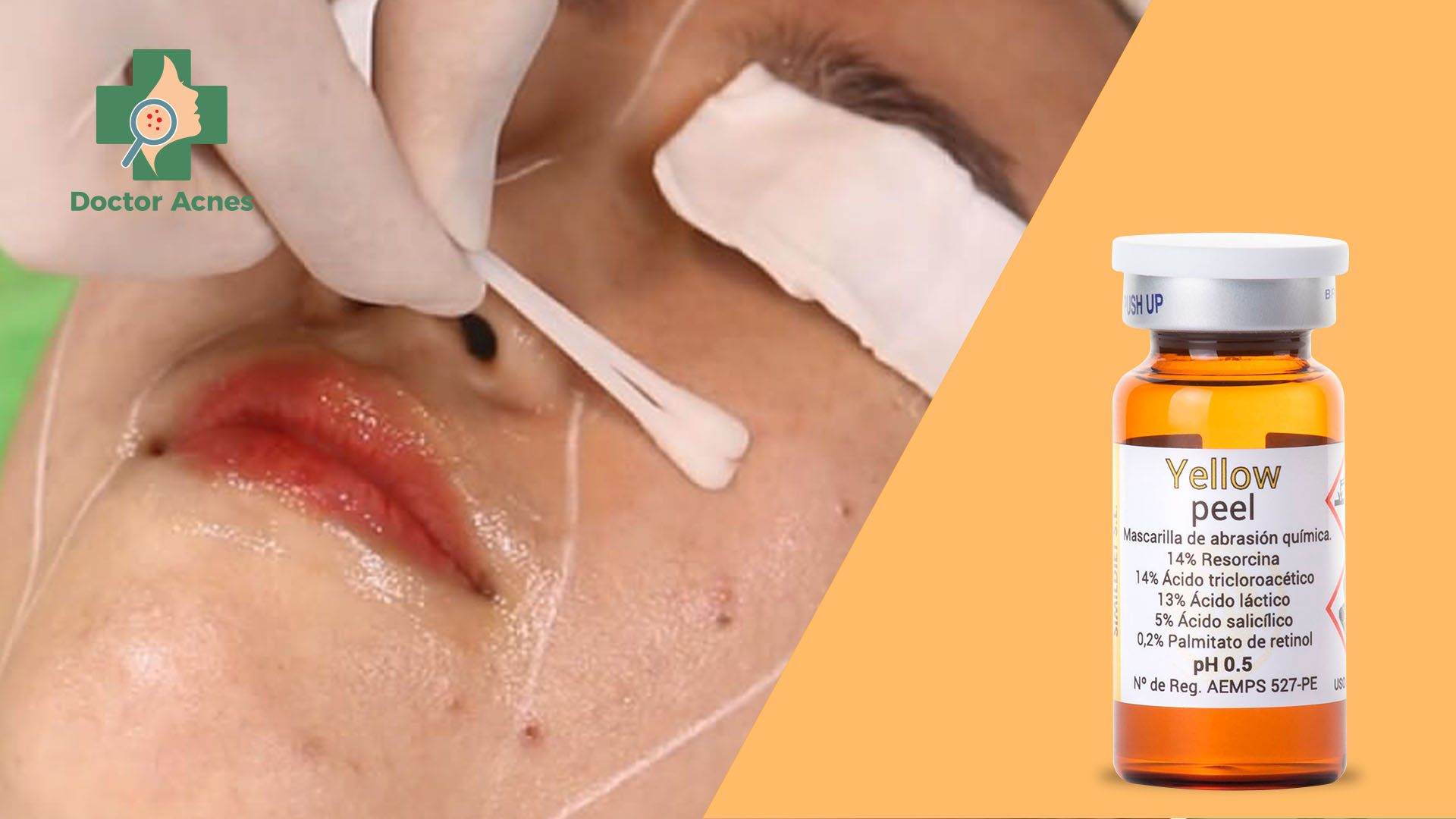
Yellow peel
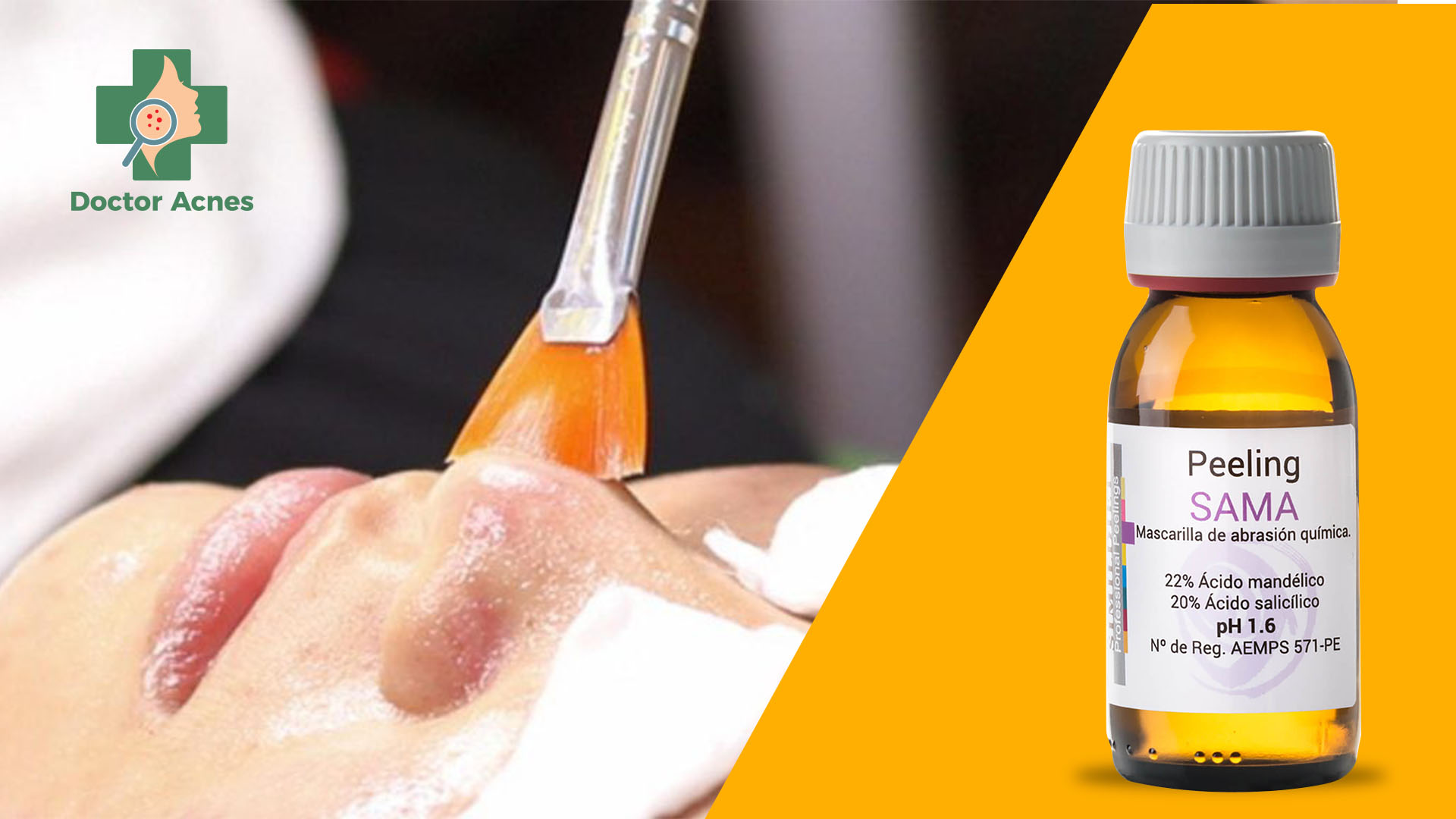
Mandelic acid peels
The mechanism of skin peeling targets most of the pathogenesis of acne (acne-causing bacteria, sebum, hyperkeratosis), making it effective for treating both inflammatory and non-inflammatory acne.
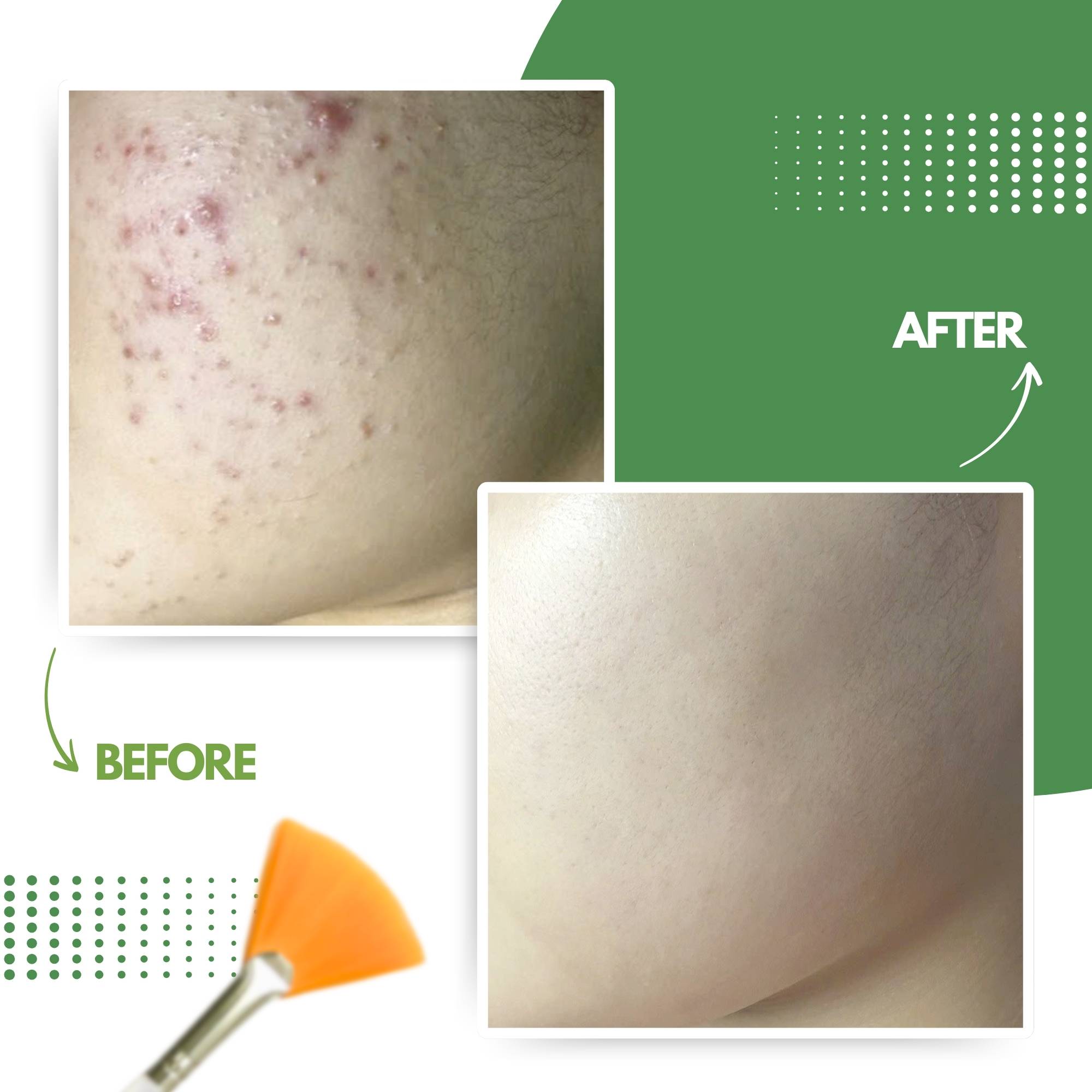
Safe
It is a topical acne treatment method using safe active ingredients, helping to limit the use of systemic medications.
Effective
Directly targets acne-forming mechanisms, such as reducing pilosebaceous duct hyperkeratosis, destroying C. acnes bacteria, and accelerating the skin cycle to remove acne cores more quickly.

Painless
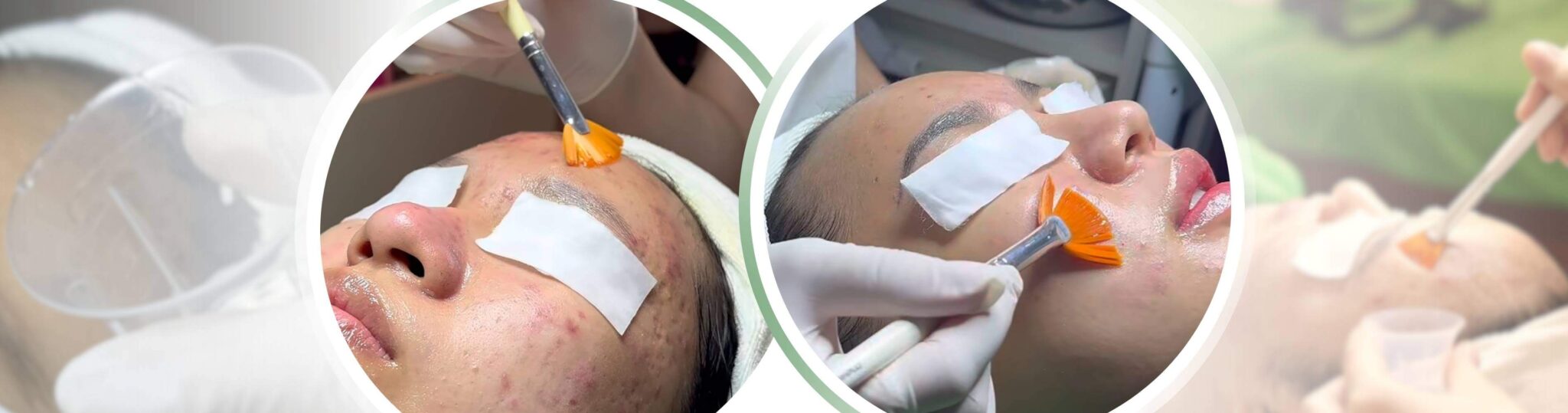
Skin peeling only causes a slight tingling sensation or mild redness, with no anesthesia required. These symptoms only appear for a short while during the peel and then disappear on their own.

Enhanced absorption of skincare active ingredients
After the thick stratum corneum is removed, acne treatment products such as retinoids, benzoyl peroxide, or azelaic acid can penetrate the skin better, thereby enhancing the effectiveness of the entire treatment protocol.
Short post-treatment downtime
This procedure requires almost no lengthy downtime; usually, just a few days after the peel, you can care for your skin and resume normal daily activities.
Supports treatment of secondary acne issues
Peeling also helps fade dark spots, improve acne scars, even out skin tone, and prevent skin aging.
Cost-effective
Compared to other acne treatment methods, skin peeling is very affordably priced, making it accessible to most clients, including high school and university students.

BOOK AN APPOINTMENT NOW
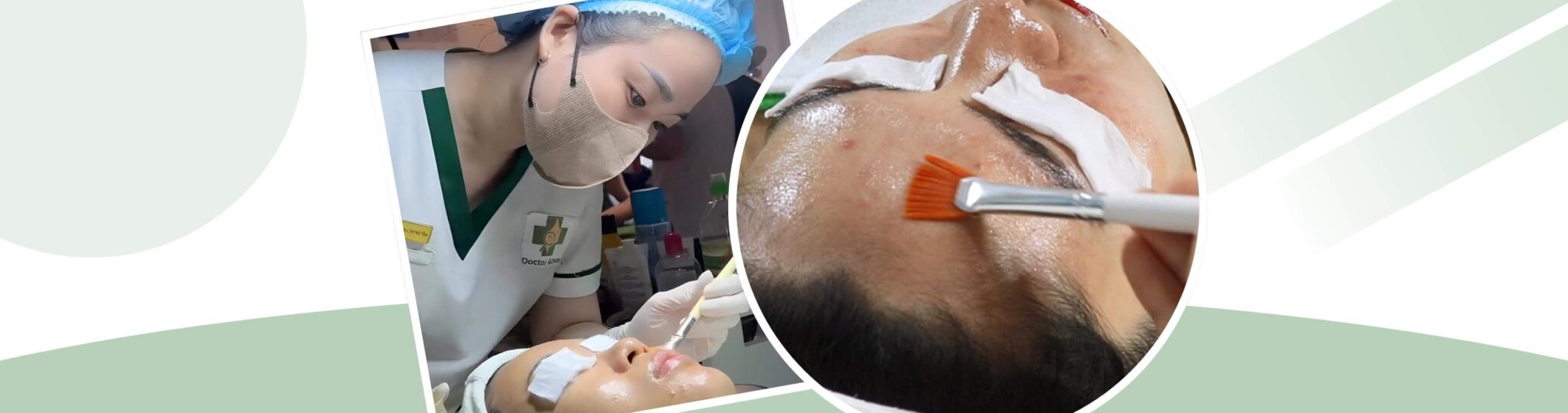
Skin peeling at home or at non-specialized facilities can easily lead to complications such as skin burns, hyperpigmentation, or acne breakouts. At Doctor Acnes, clients can have complete peace of mind with our services for the following reasons:
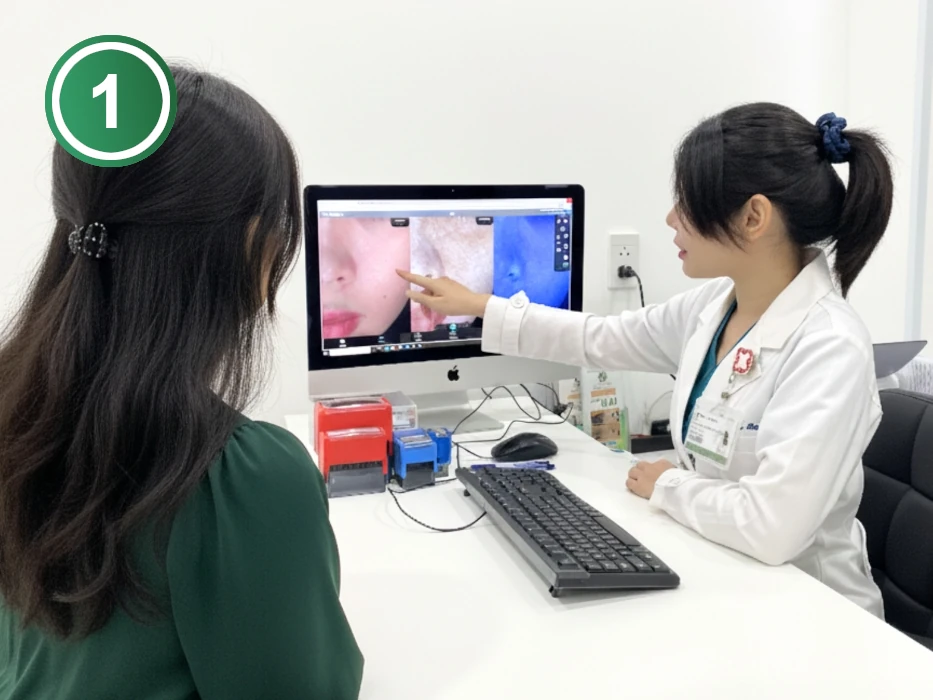
Step 1
The Dermatologist examines and advises a suitable peeling protocol
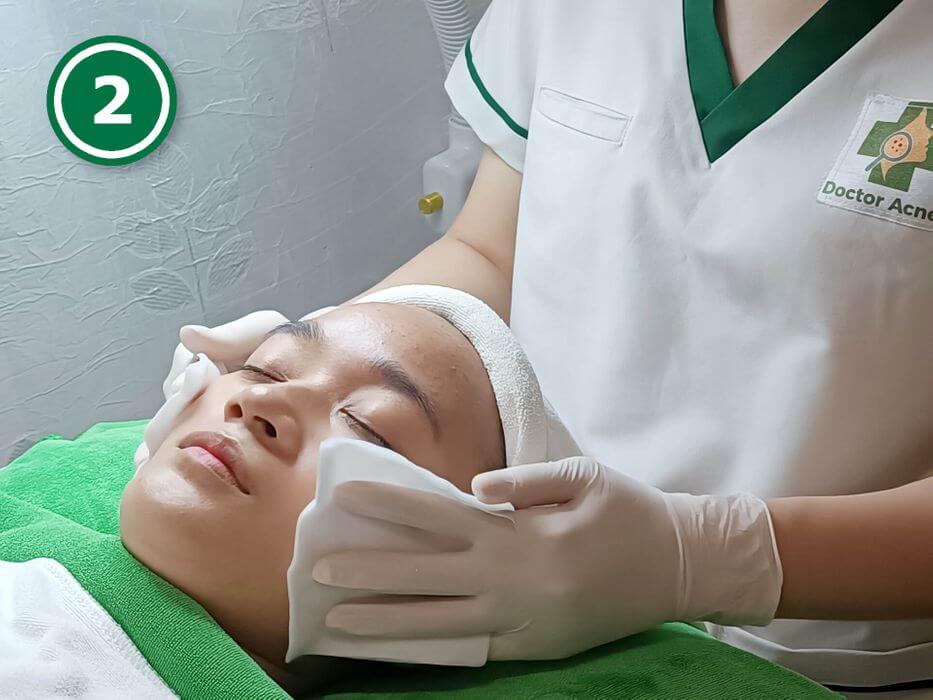
Step 2
Facial cleansing, including makeup removal, face wash, exfoliation, and skin balancing
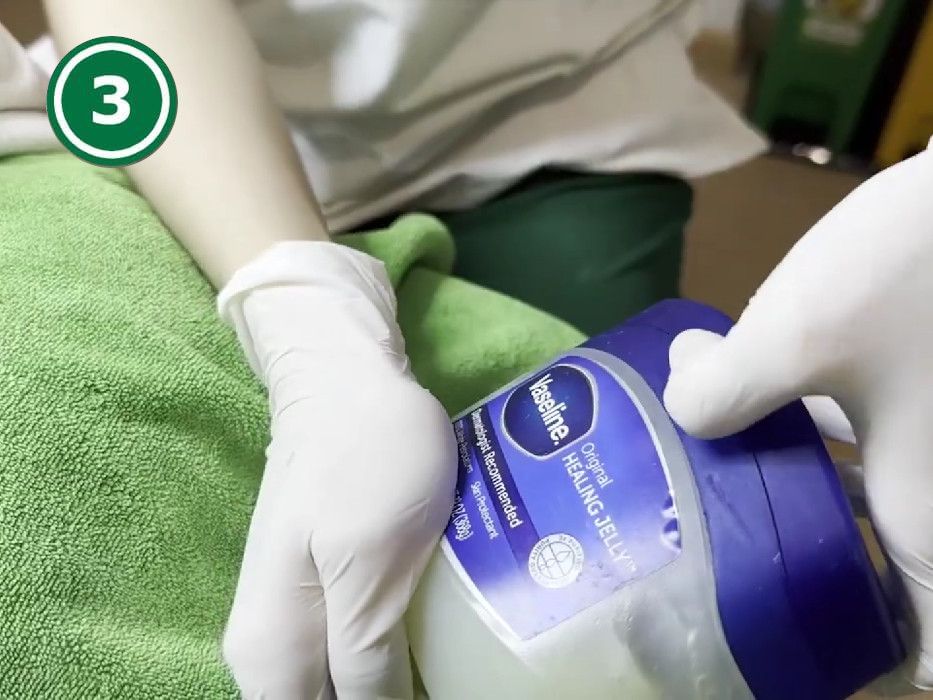
Step 3
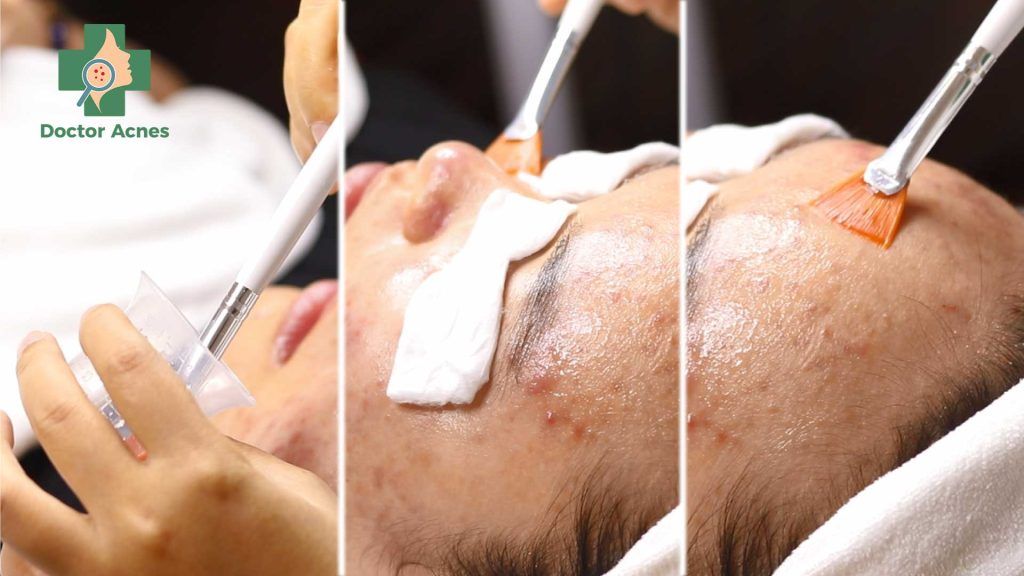
Apply vaseline to sensitive areas such as the corners of the nose, mouth, eyebrows, and the area around the eyes
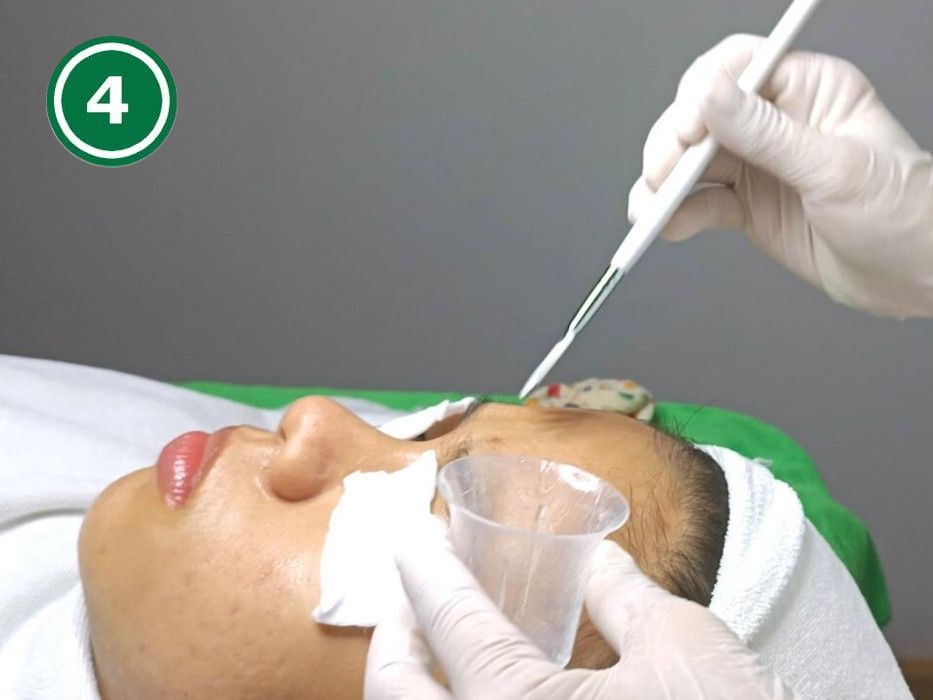
Step 4
Perform skin peeling
Step 5
Neutralize the skin
Step 6
Cold iontophoresis to soothe the skin and minimize cases of redness due to irritation
Step 7
Apply recovery nutrients and illuminate with Biolight biological light
Step 8
Provide post-treatment skincare instructions
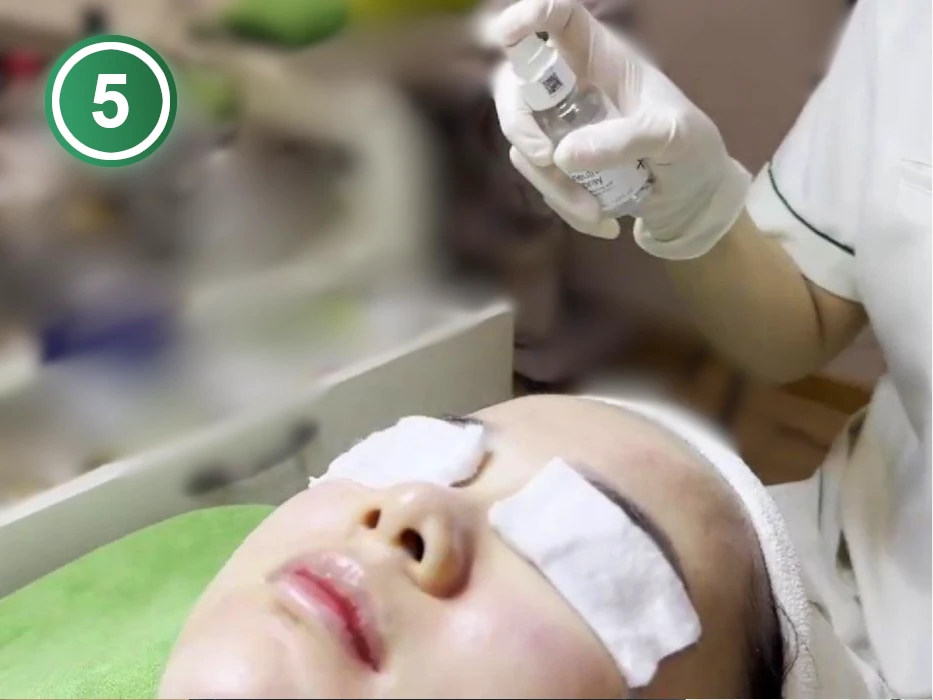
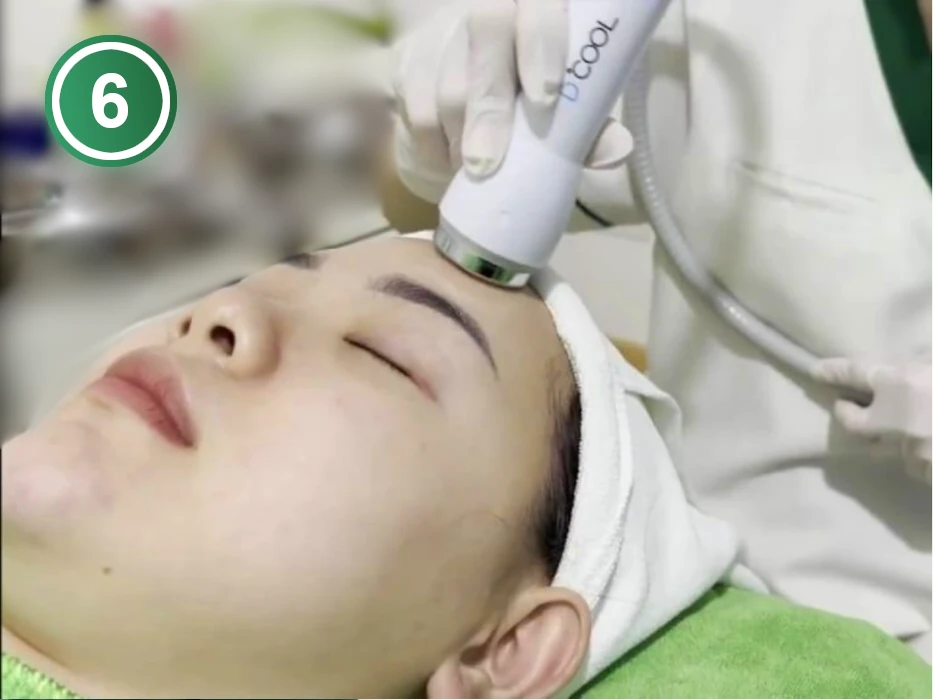
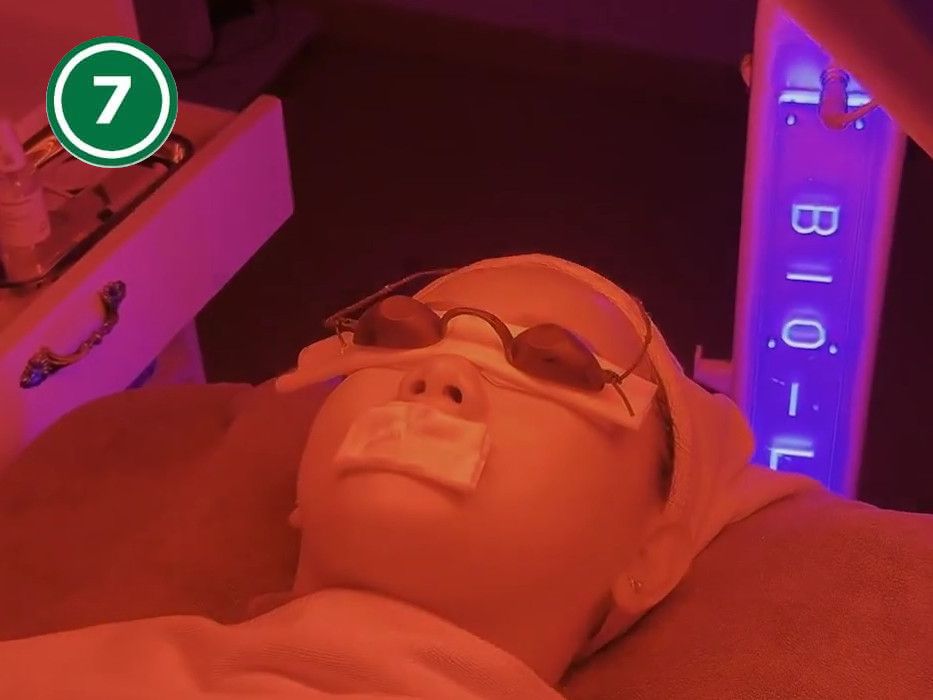

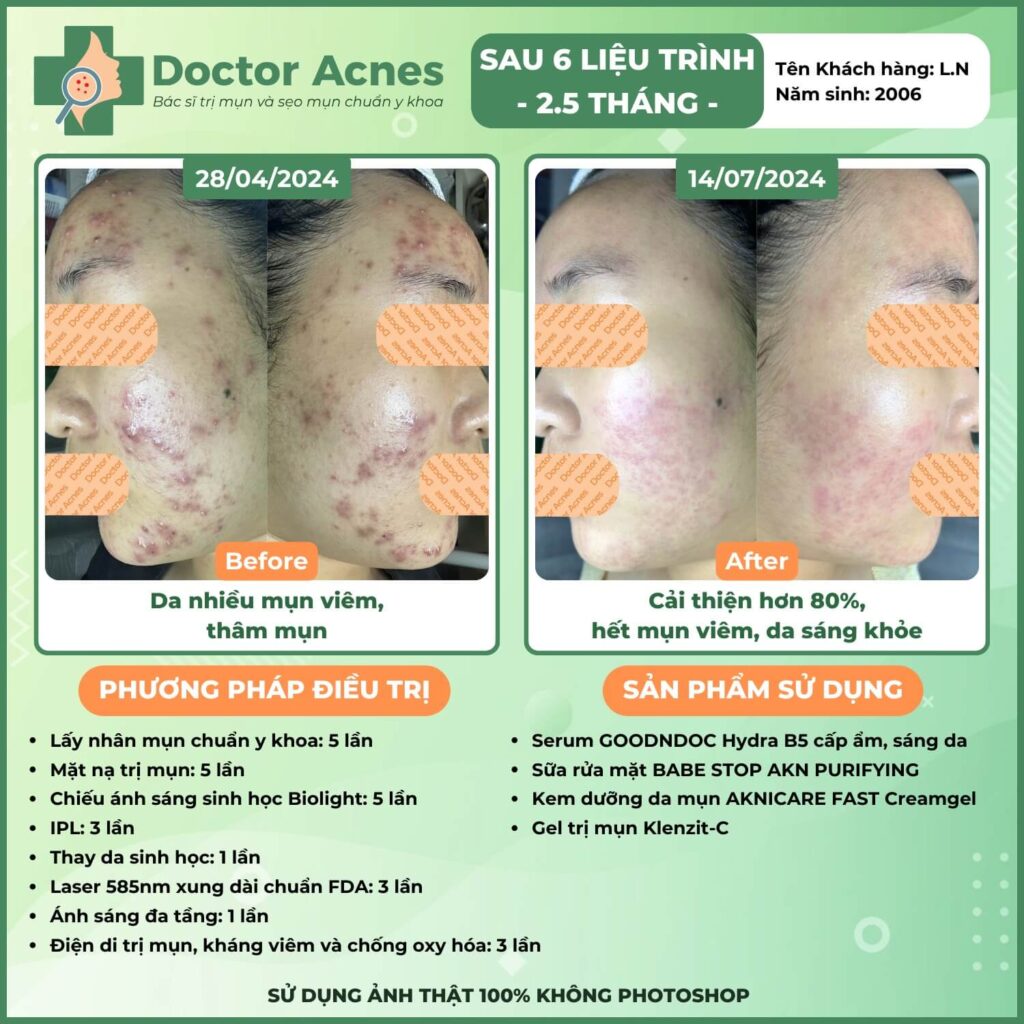
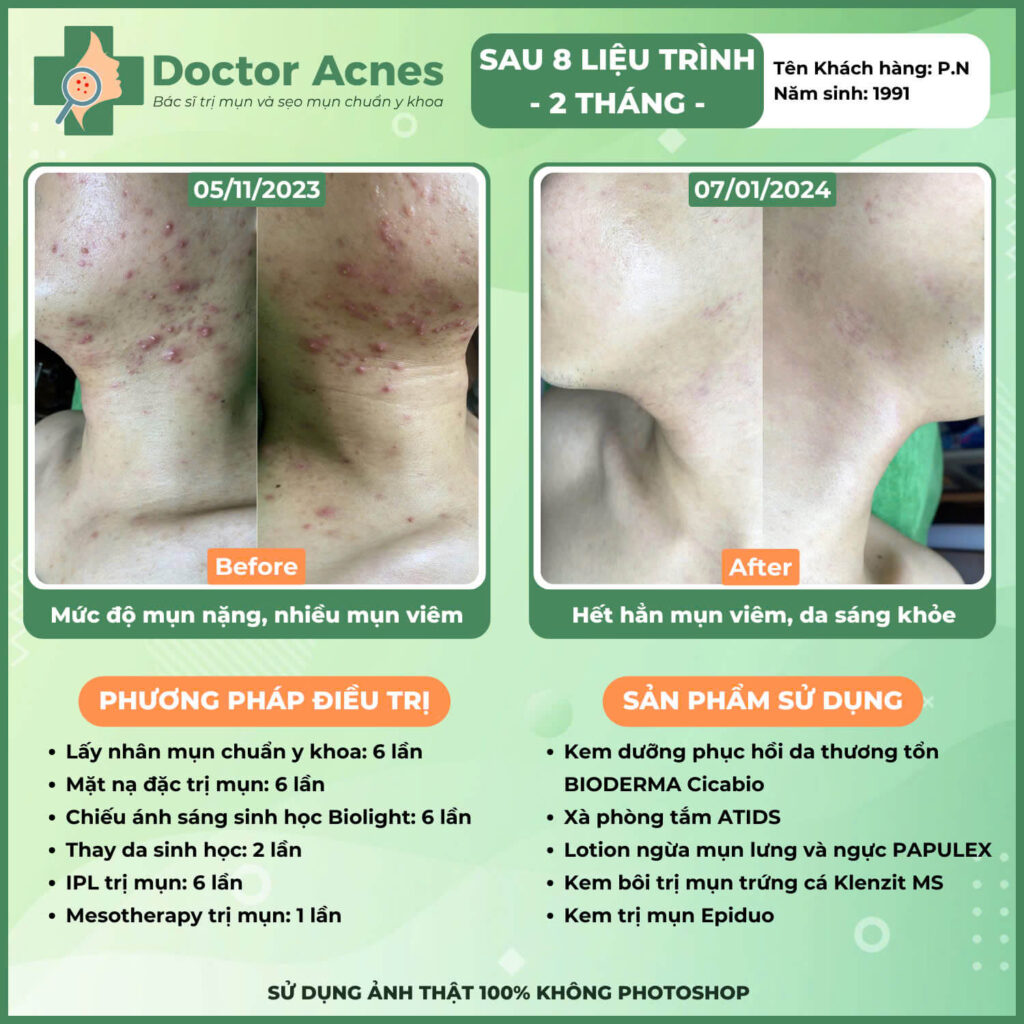
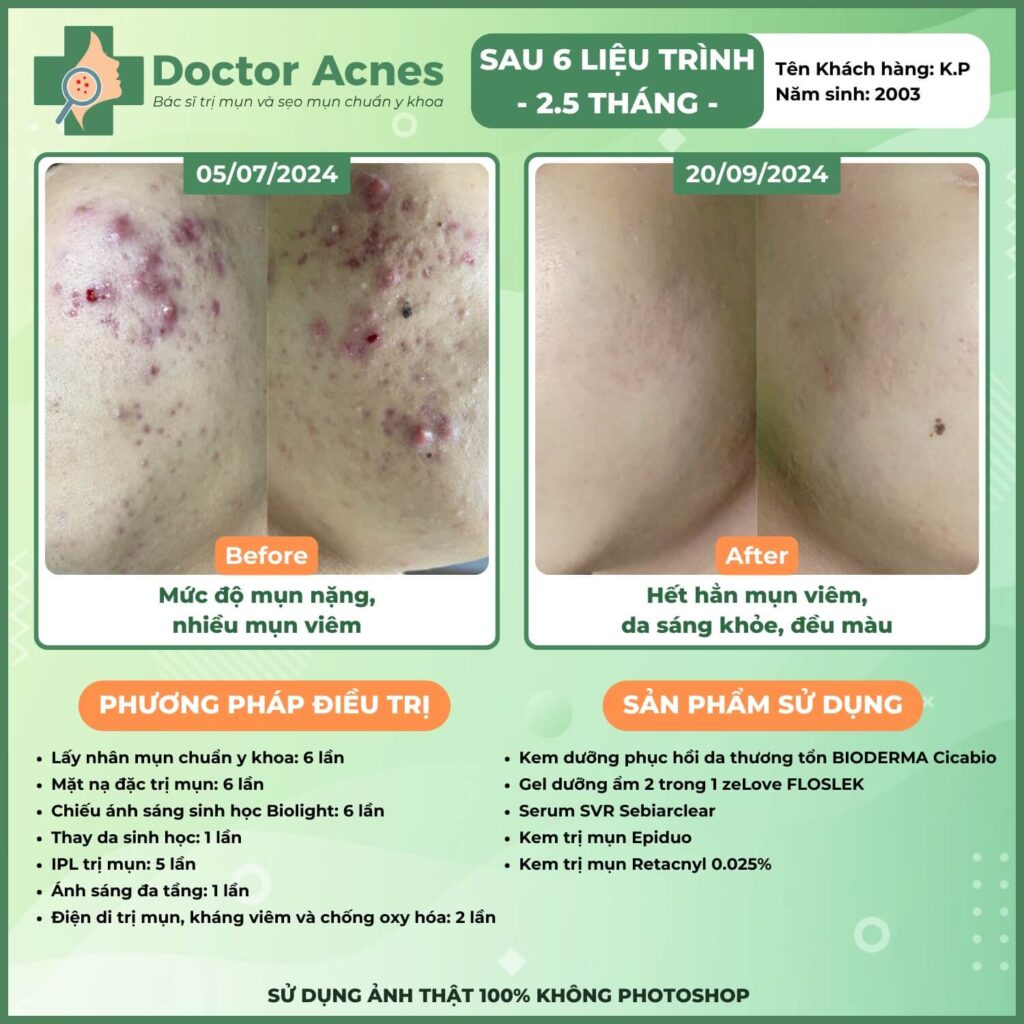
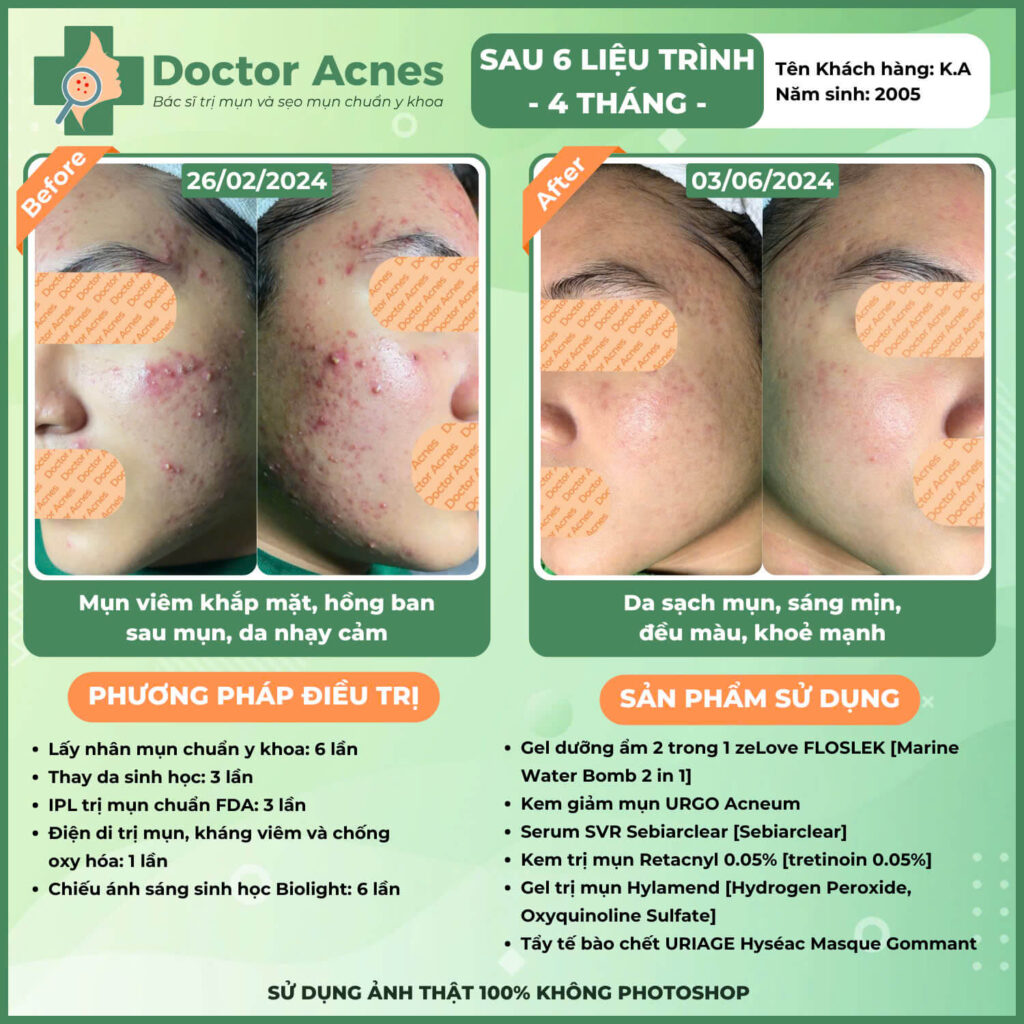
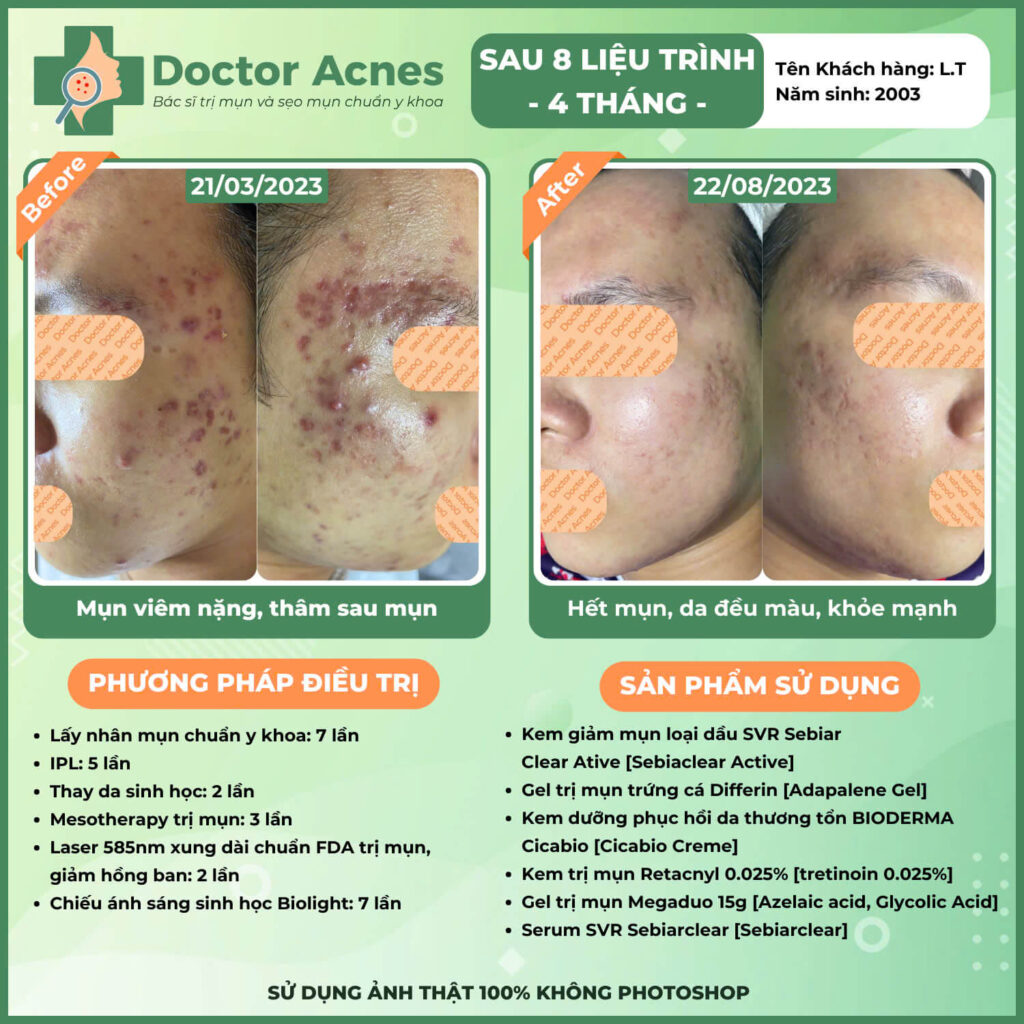






According to assessments, the skin needs an average of 7 – 21 days to recover after applying biological peeling techniques. The peeling frequency will depend on the peeling agent, the specific concentration, and the depth of skin damage caused by the previous peeling process. On average, the frequency between peeling sessions is:
The next peel is at least 2 – 5 weeks from the last one (depending on the type and concentration of the specific peeling active ingredient used)
Minimum interval of 6 – 12 months (depending on each person’s skin condition)
Deep peels should not be performed more than once a year

Book a consultation with a Dermatologist regarding your acne condition



 Tiếng Việt