
| Cosmeceuticals & Devices FDA/CE Approved | 100% of Customers Examined by Dermatologists | Infection control Follows MoH's standard |
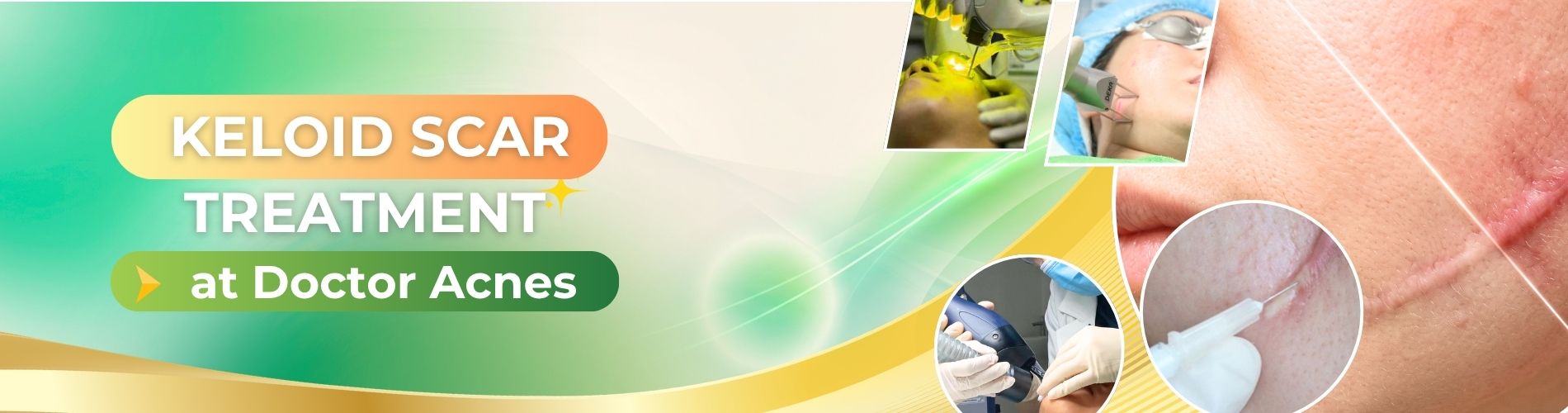
KELOID SCAR TREATMENT AT THE DERMATOLOGY CLINIC
What are keloid and hypertrophic scars?


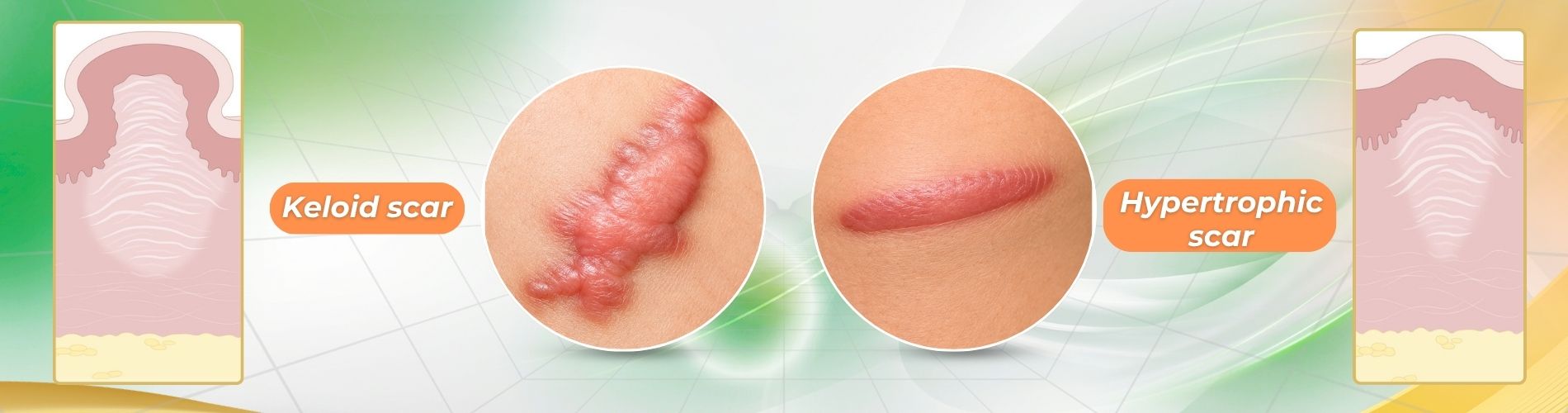
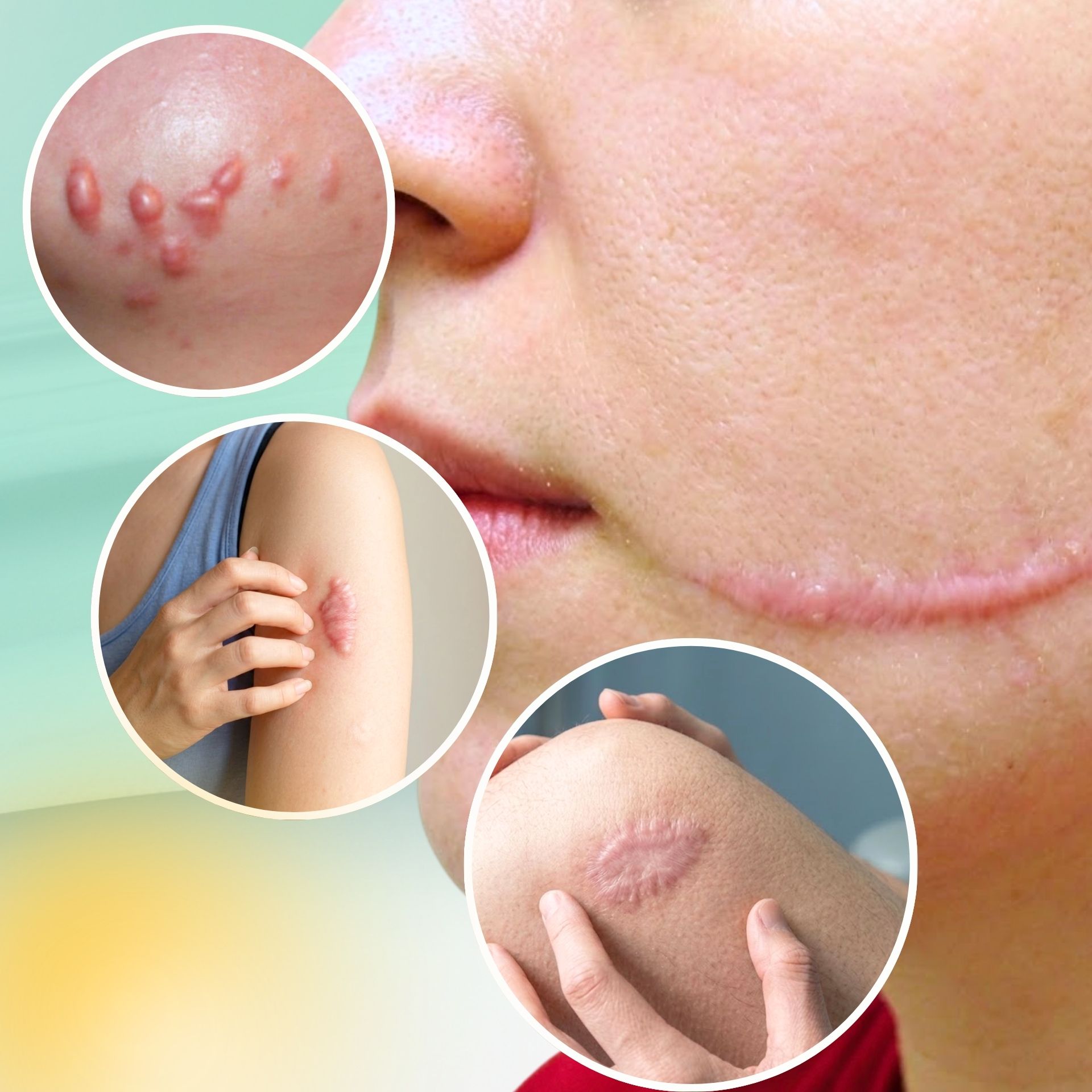
A keloid scar is an overgrowing scar that spreads beyond the wound boundaries into healthy tissue. The scar can appear later, from a few months to a few years after the injury, usually raised over 4mm, with prolonged progression, difficult to treat, and prone to recurrence. Genetic factors are clearly related, with about a third of cases having relatives who have had keloid scars.
A hypertrophic scar is a raised, thickened scar that forms within 1 – 2 months after injury, but remains within the initial wound boundaries. The elevation usually does not exceed 4mm; it can be red, hard, itchy, or painful, and often tends to gradually improve over time while responding relatively well to treatment.
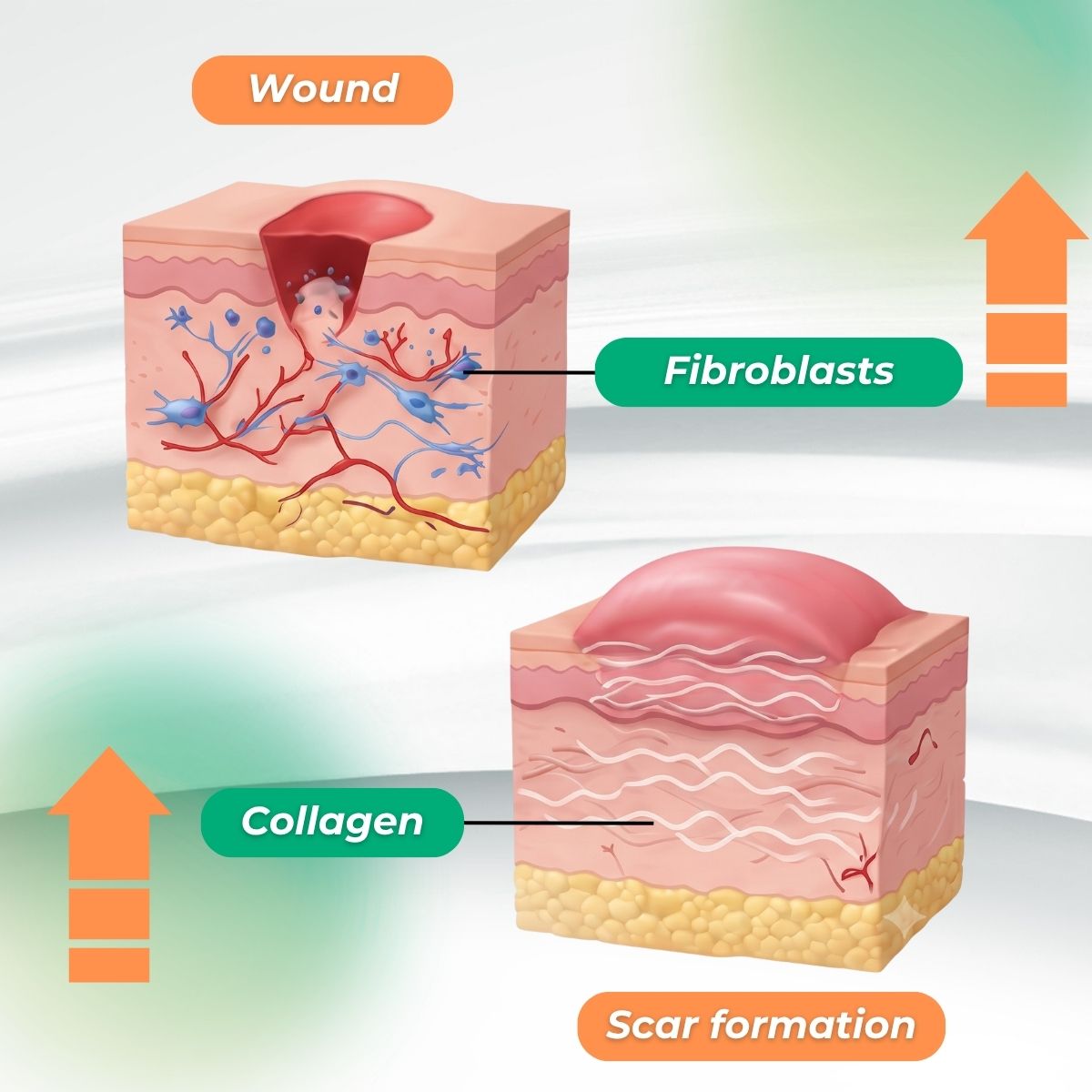
Pathogenesis of keloid and hypertrophic scars


- Disruption of the normal wound healing process
- Increased production of collagen, elastin, proteoglycans, and extracellular matrix proteins
- Increased number of fibroblasts and mast cells
- Alterations in growth factors and cytokines in the scar tissue
- Increase in TNF alpha, interferon beta, and interleukin 6
Impacts of keloid and hypertrophic scars
Overgrowing keloid scars cause:
- Itching
- Pain
- Unsightly appearance
- Limited movement if the scar is large and near a joint
- Psychological and quality of life impacts


Keloid and hypertrophic scar treatment methods at Doctor Acnes


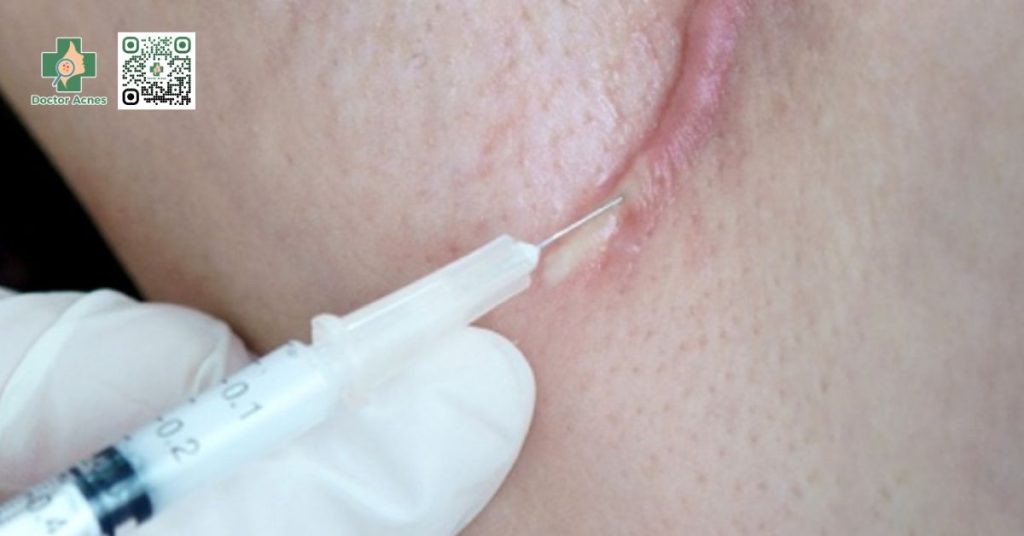
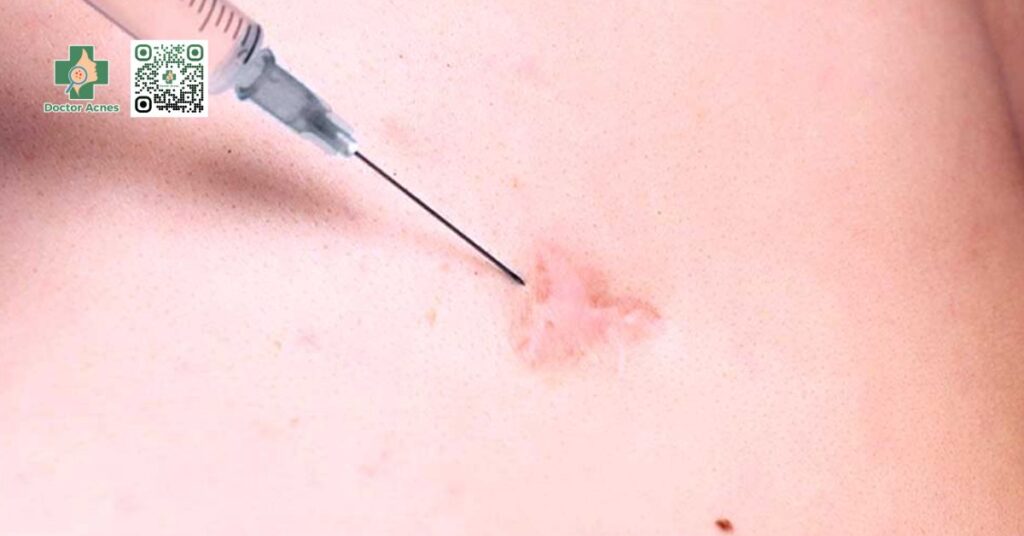
Triamcinolone injection for keloid and hypertrophic scar treatment
Mechanism of action:
- Anti-inflammatory, vasoconstriction, collagen production inhibition
- Improving softness, breaking down rigid fibrotic structures
- Reducing scar volume and height
- Reducing itching and pain symptoms
Treatment regimen: every 3 – 4 weeks/session. The number of sessions depends on the scar severity, treatment response, and combined methods.
Botulinum toxin injection for keloid and hypertrophic scar treatment
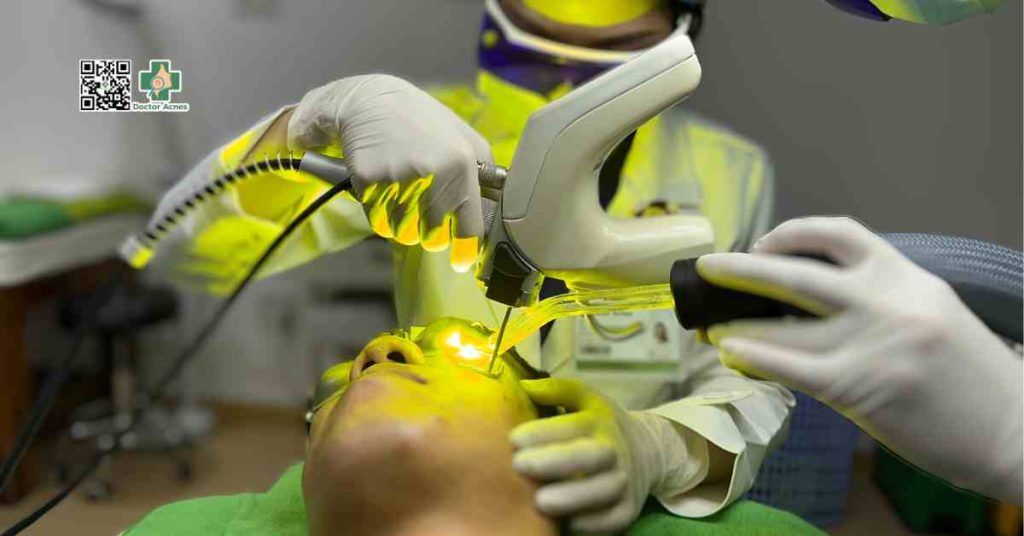
Mechanism of action
- Local muscle relaxation, reducing the tension of the muscle group surrounding the scar area, helping the scar stabilize more during the recovery phase
- Reducing mechanical tension on the scar, supporting the improvement of the wound healing process and scar tissue remodeling.
Treatment regimen: every 4 weeks/session. The number of sessions depends on the scar severity, treatment response, and combined methods.



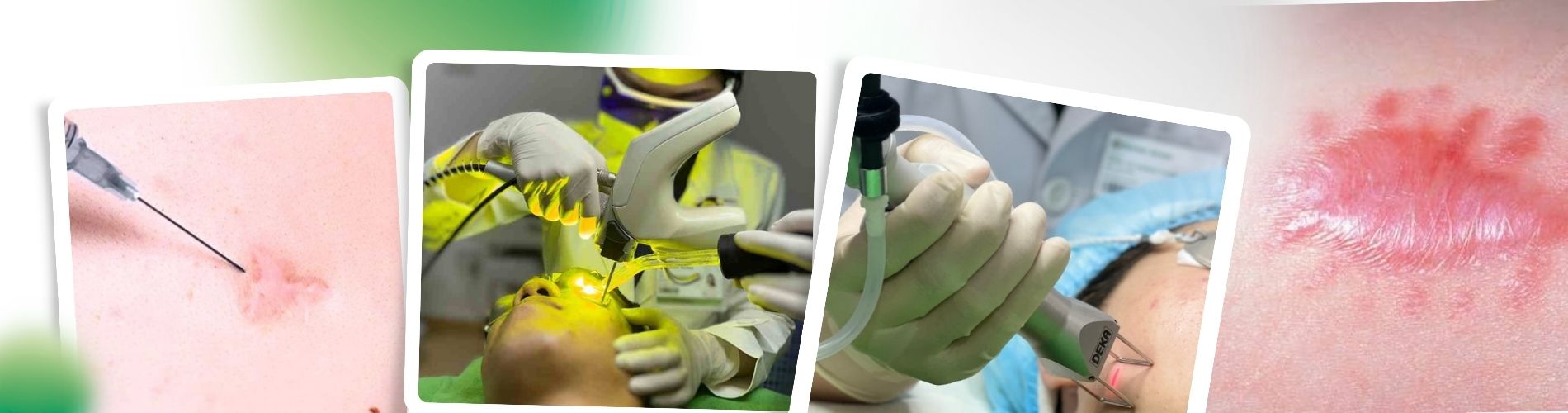
Laser treatment for keloid and hypertrophic scars
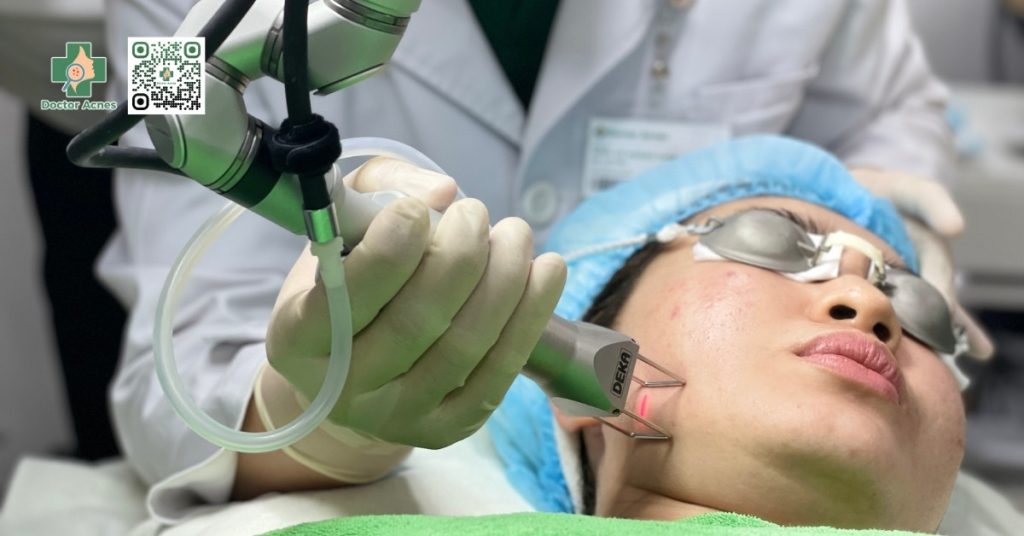
Mechanism of action
- 585nm or 595nm PDL selectively targets blood vessels in the scar, reducing scar redness and decreasing blood vessel-related proliferative activity.
- Fractional CO2 and Er:YAG lasers create controlled micro-wound zones in the scar tissue, triggering collagen remodeling and altering the fibrotic tissue structure, softening the scar. Ablative lasers are more suitable for hypertrophic scars, whereas keloids usually require combined treatments; using laser alone is not recommended to limit the risk of recurrence.
Treatment regimen: every 2 weeks/session, the number of sessions depends on the scar severity, treatment response, and combined methods.
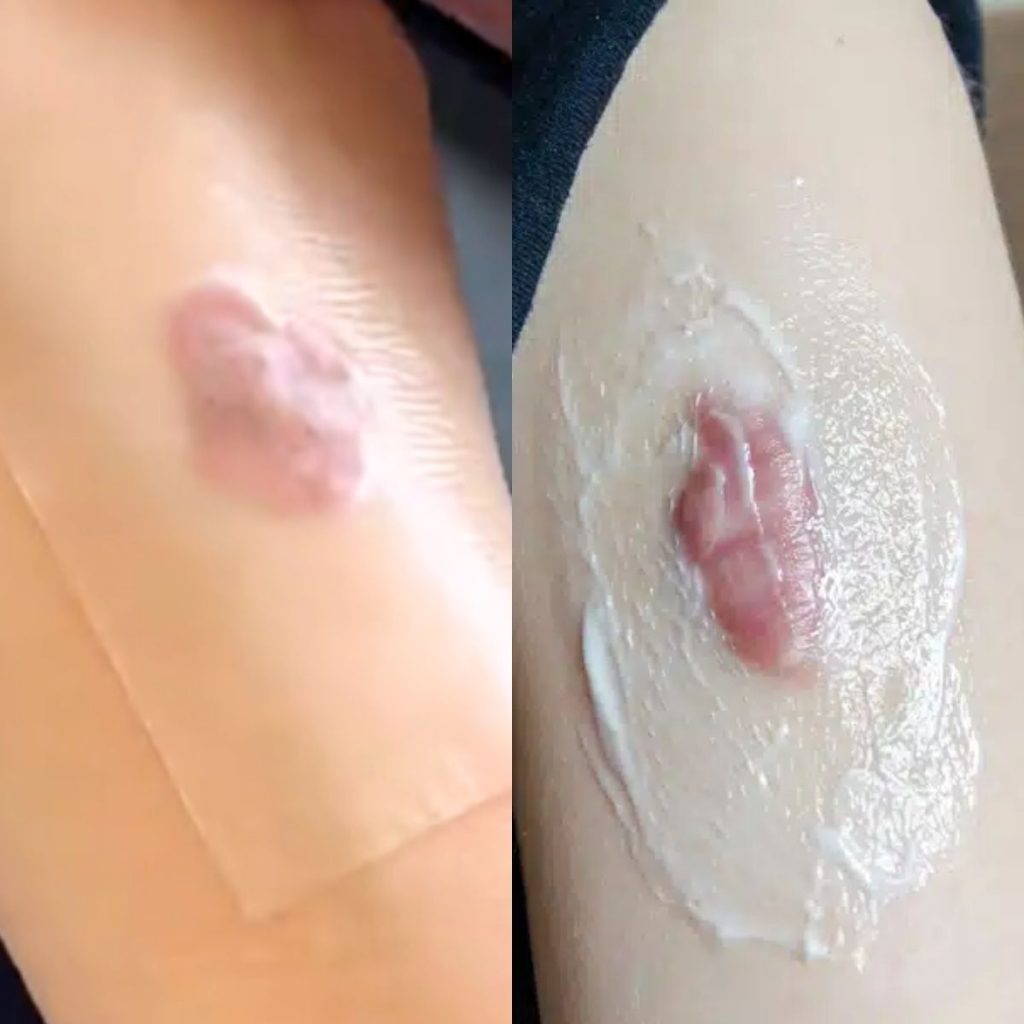
Topical silicone application and sheeting
Mechanism of action
- Silicone gel and silicone sheets help maintain skin moisture, reduce transepidermal water loss, and limit the signals that stimulate collagen proliferation.
- The silicone layer creates mild pressure on the scar tissue, helping compress capillaries, reducing the supply of inflammatory mediators, and decreasing local collagen synthesis.
- Scar creams and gels act through multiple mechanisms, including regulating local circulation, softening fibrotic tissues, and supporting the stabilization of the scar maturation process.
- Maintaining and consolidating the effectiveness of other medical and technological treatment methods.
Treatment regimen: continuous application and sheeting twice a day or more as prescribed by the Doctor on the scarred skin area for a long time.

BOOK AN APPOINTMENT NOW
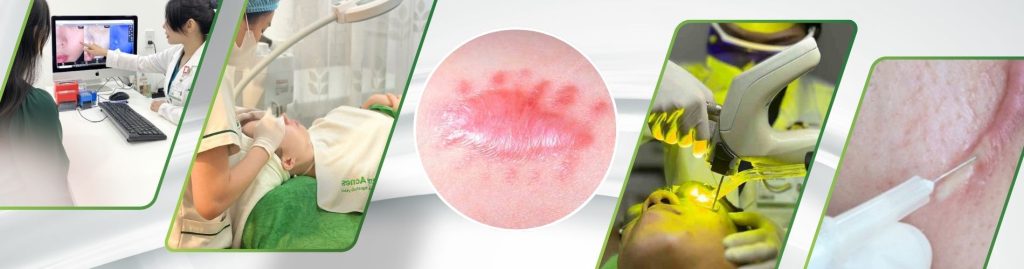
Keloid scar treatment process at Doctor Acnes


Step 1
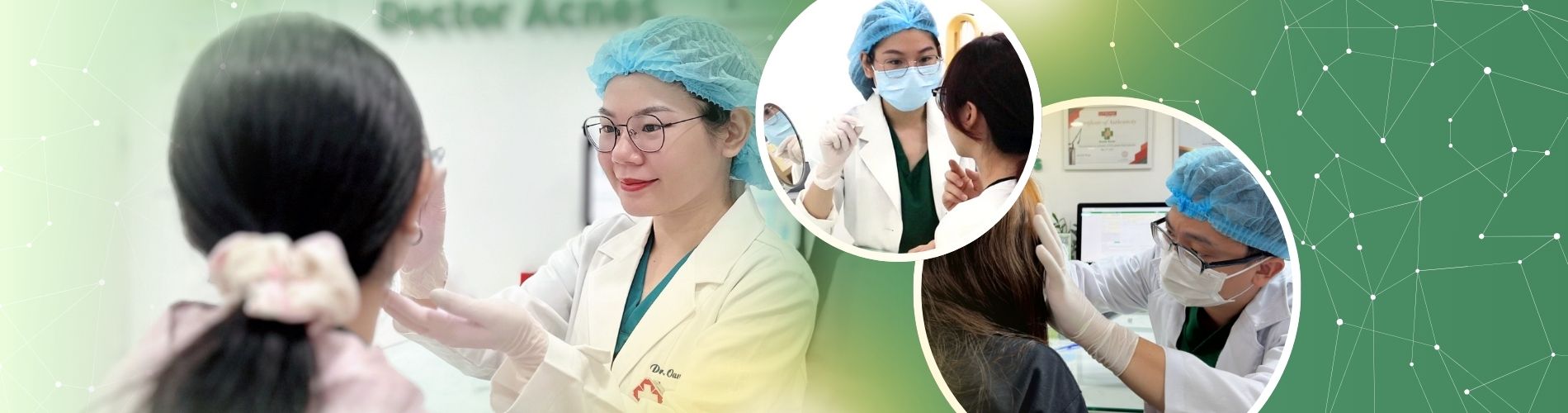
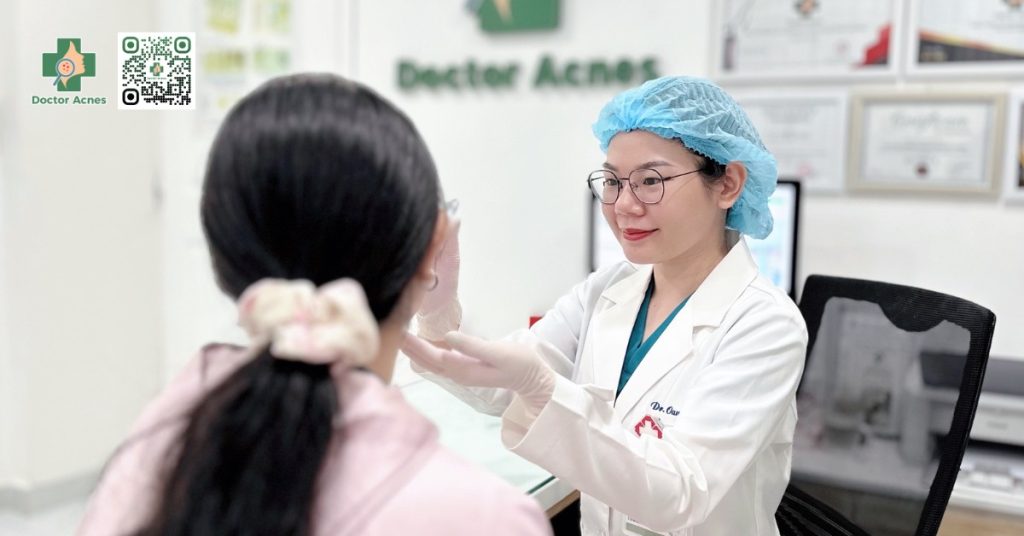
Examination and consultation
- The Doctor conducts an examination, evaluates the keloid scar condition, and provides appropriate indications.
Step 2
Preparation before treatment
Take photos of the treatment area to compare and monitor treatment results
The treated skin area is cleaned
Apply numbing cream to the treatment area for minimally invasive procedures
Step 3
Treatment execution
The Doctor directly performs the procedures ensuring sterility and standard compliance according to the process
Step 4
Post-treatment care
Perform soothing and skin recovery measures for customers, reducing side effects if necessary
Provide specific instructions on how to care for the skin area after treatment
Note: no downtime is required, customers can return to normal activities immediately after the treatment session
Step 5
Efficacy evaluation
After treatment, the Doctor will schedule a follow-up appointment to monitor and evaluate the results, while providing recommendations on supplementary procedures if necessary to optimize efficacy
Why choose keloid scar treatment at Doctor Acnes


- Highly qualified Doctors
Doctor Acnes is a licensed Clinic with a team of Dermatologists and internal aesthetic doctors with deep expertise in treating keloid and hypertrophic scars, rich clinical experience, and a clear understanding of the pathogenesis of scars. - Medical-standard treatment protocol
Keloid scar treatment methods at Doctor Acnes are built on scientific evidence, flexibly combining intralesional injections, fractional CO2 laser, microneedling, and supportive therapies to optimize efficacy and limit recurrence. - Personalized treatment regimen
Each case is examined and carefully evaluated for thickness, activity level, and scar location, thereby building a personalized regimen suitable for each customer. - Genuine equipment and products
Doctor Acnes utilizes a high-tech equipment system along with genuine aesthetic injection products, officially imported, ensuring safety and effectiveness throughout the treatment process. - Professional space and service
Clean, private, and modern treatment space, combined with dedicated care service and transparent costs, helps customers feel secure and comfortable throughout the keloid scar treatment journey.
Frequently asked questions about keloid scar treatment


Is there skin atrophy or telangiectasia?
Intralesional corticosteroid injection carries the risk of skin atrophy, telangiectasia, or hypopigmentation if using high doses, injecting too shallowly, or repeating uncontrolled injections. When performed with the correct technique, correct indications, and closely monitored by specialized Doctors, the risk of skin atrophy, telangiectasia, or hypopigmentation is controlled at a low level and can be prevented.
Do keloid scars recur?
Keloid scars have strong proliferative characteristics and a high risk of recurrence, even after treatment. This risk is influenced by many factors such as scar location, age, gender, and intervention method. Studies show that areas like the chest, shoulders, and suprapubic region have higher recurrence rates compared to other locations. In contrast, hypertrophic scars are generally more stable, respond well to treatment, and have a lower recurrence risk when intervened at the right stage and fully monitored after treatment.
Are there any side effects?
Each scar treatment method may come with certain side effects
- Corticosteroid injection can cause skin atrophy, telangiectasia, and local pigmentation changes if not injected according to indications and dosage.
- Lasers can cause skin redness, mild edema, scabbing, or post-inflammatory hyperpigmentation.
- Liquid nitrogen cryotherapy can cause stinging pain, blistering, scabbing, skin pigmentation changes, and a risk of keloid scar recurrence if not combined with subsequent control treatments.
- Silicone sheeting and topical application rarely cause side effects, sometimes causing mild skin irritation if the skin is sensitive.
How many sessions are needed for keloid and hypertrophic scar treatment?
The number of treatment sessions for keloid and hypertrophic scars and the interval between sessions do not have a fixed number, as it depends on the scar type, thickness, area, location, scar duration, and response level per session. Typically, it can be pictured in 3 levels
- Mild cases, new scars, small area: about 3 – 5 sessions
- Moderate cases: about 6 – 10 sessions
- Thick, long-standing, large area, or recurrent cases: can be over 10 sessions and require combining multiple methods to optimize efficacy.
Still have questions about keloid or hypertrophic scar treatment? Contact us now for a free consultation!
We will contact you for a consultation as soon as possible.