


 |
Cosmeceuticals & Devices FDA/CE Approved |
 |
100% of Customers Examined by Dermatologists |
 |
Infection control Follows MoH's standard |


PRP (Platelet-RICH PLASMA)

What is PRP (Platelet-Rich Plasma)?
Platelets are a component of blood, along with plasma, red blood cells, and white blood cells, functioning in hemostasis and tissue healing. Additionally, platelets play a role in initiating and stimulating the healing process of wounds and injuries due to the presence of numerous growth factors.
Platelet-Rich Plasma (PRP) is a biological preparation extracted from autologous blood, containing a high concentration of platelets, growth factors, and biological proteins such as PDGF, EGF, TGF, IGF, VEGF… helping to regenerate and heal tissues effectively.
The normal platelet count in blood is 150 million – 400 million platelets/ml, but PRP has a platelet concentration 3 – 9 times higher than whole blood.
The quality of PRP depends on the quality and quantity of platelets available in the blood, the concentration of growth factors produced by platelets after activation, as well as the technique used to extract platelets from whole blood.

At Doctor Acnes Dermatology Clinic, PRP (Platelet-Rich Plasma) is applied diversely in the scar treatment process, including mesotherapy (injecting PRP directly into the skin), topical application, or in combination with other invasive methods to enhance effectiveness.
Benefits of Platelet-Rich Plasma (PRP)
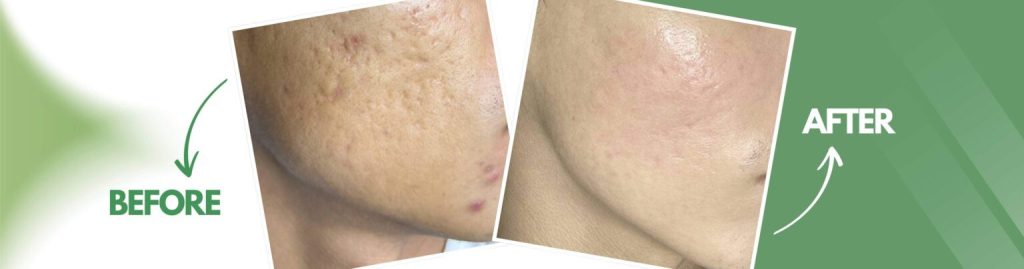
- Stimulates fibroblast proliferation, boosts the synthesis of skin matrix substances, especially collagen, thereby fading existing wrinkles and preventing the formation of new ones, improving acne scars, pitted scars, and enhancing skin elasticity and firmness
- Supports faster wound healing
- Maintains skin moisture
- Improves skin tone
- Fights against harmful oxidizing agents to the skin
- Restores weak, damaged skin by repairing damaged cells and stimulating the production of new, healthier cells, making the skin tighter and more radiant
- Skin with pitted scars
- Skin with melasma, freckles, uneven tone, and post-acne dark spots
- Rough, uneven skin texture, large pores
- Aging skin, dry rough surface, lack of vitality, appearance of fine lines
- Damaged, sensitive, easily irritated, thin and weak skin
- Hair loss, balding
- Eye bags/wrinkles, cellulite (orange peel skin), stretch marks
- Suffering from platelet dysfunction syndrome
- Low platelet count (Thrombocytopenia)
- Suffering from malignant blood diseases
- Currently having sepsis, Hepatitis B, C virus infection
- Undergoing radiotherapy or chemotherapy
- Pregnant or breastfeeding women
- Open wounds or active infection in the treatment area
- Acute conditions such as fever, or currently taking medications that may affect blood quality
BOOK AN APPOINTMENT NOW
Types of PRP and Differences Between PRP Preparation Kits

Platelet-Rich Plasma (PRP) is prepared from autologous blood; however, although the principle is the same, the biological characteristics of PRP can vary significantly depending on the centrifugation technique and the kit used. Each kit has its own tube design, separation gel system, and centrifugation process. These factors determine the ability to obtain pure PRP, stable platelet concentration, and the level of biological activity of the final product.
Doctor Acnes Clinic offers different PRP preparation kits depending on the indication, treatment needs, and financial capability of each client. Below are the differences between the kits widely applied at the Clinic.
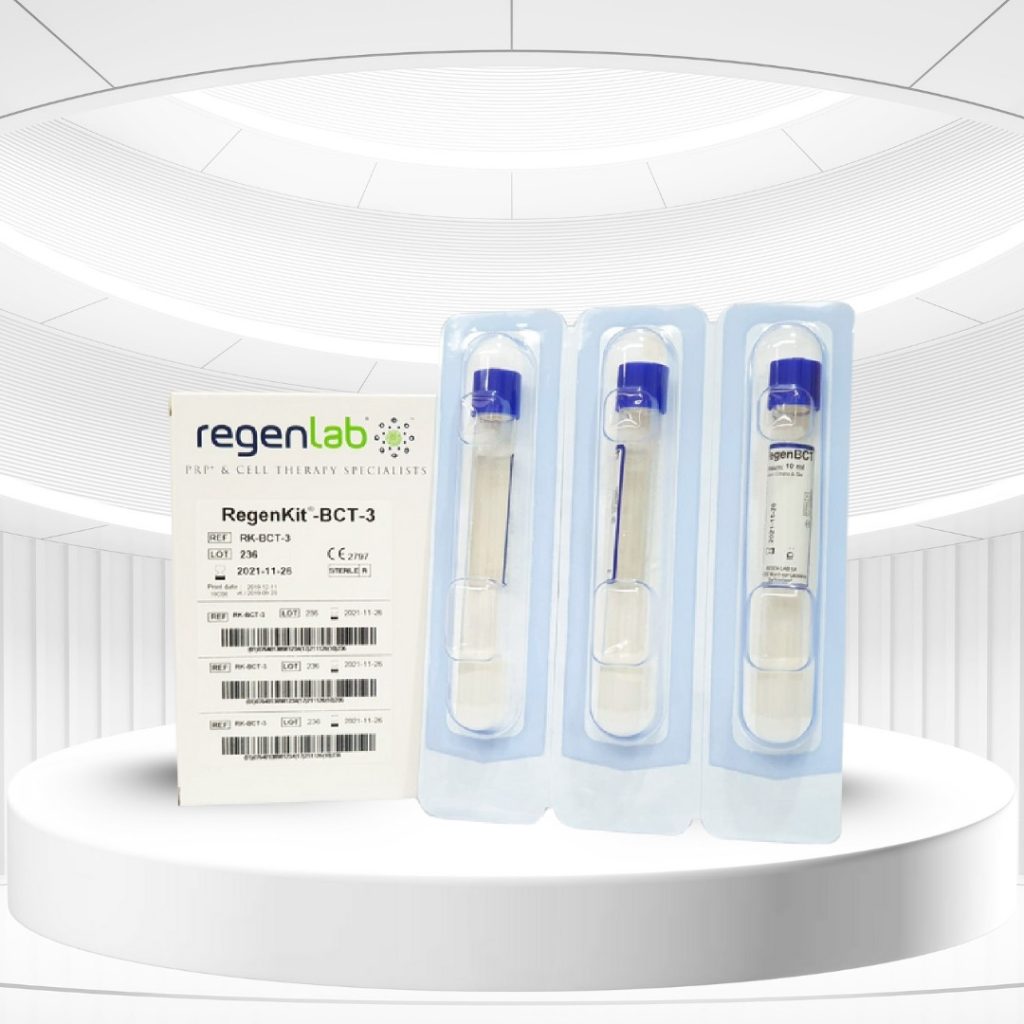
| RegenLab Kit | |
|---|---|
| Safety Standards |
US FDA, European CE, ISO, MDSAP |
|
PRP Type |
Pure PRP (P-PRP) |
|
Platelet Concentration |
High, stable |
|
Deep Tissue Regeneration Capacity |
Moderate to strong |
|
Inflammation Level |
Low |
|
Sensation During and After Treatment |
Gentle, fast recovery |
|
Application |
Skin rejuvenation, hair loss treatment, post-laser recovery, mild to moderate pitted scars |
|
Cost |
High |
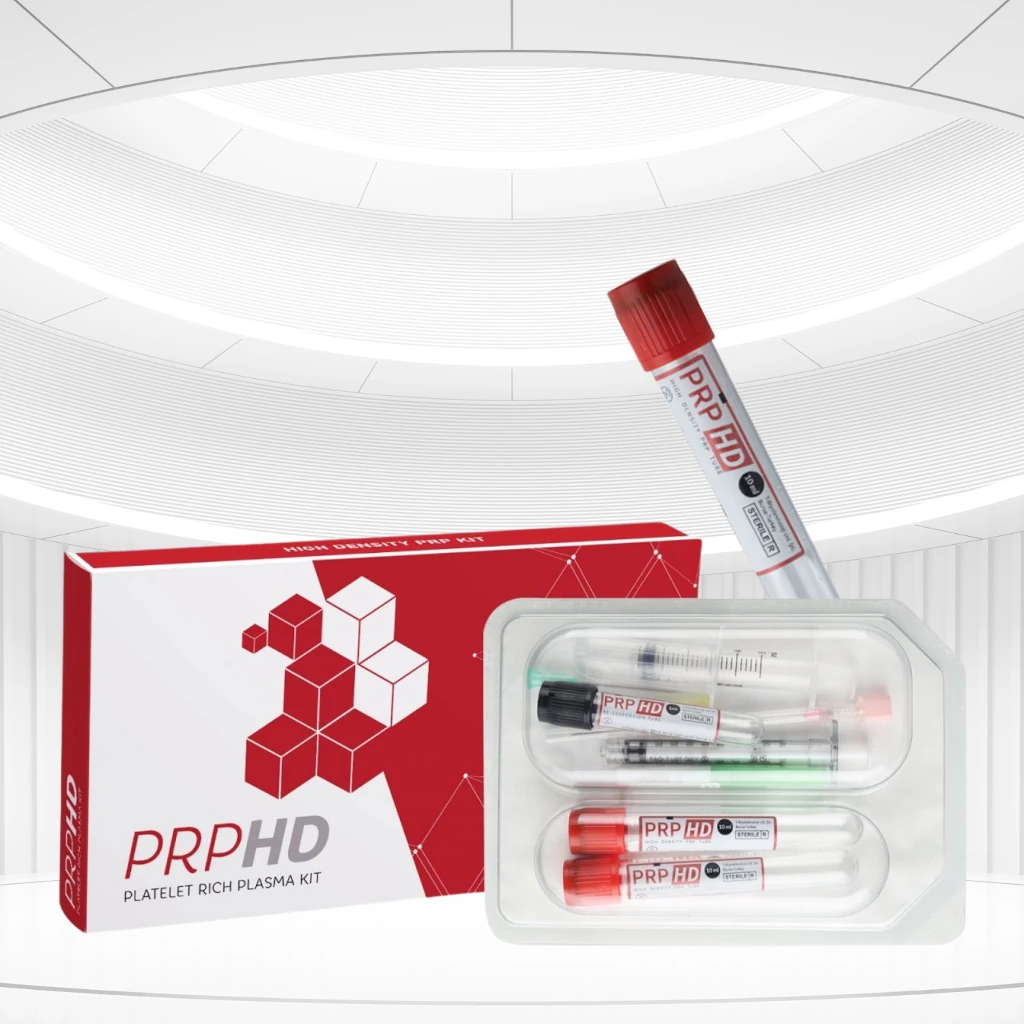
| T-LAB PRP HD Kit |
|
|---|---|
| Safety Standards |
European CE |
|
PRP Type |
Leukocyte-rich PRP (L-PRP) |
|
Platelet Concentration |
High |
|
Deep Tissue Regeneration Capacity |
Strong |
|
Inflammation Level |
Moderate, strong activity |
|
Sensation During and After Treatment |
Mild swelling and redness |
|
Application |
Moderate to severe pitted scars, deep regeneration |
|
Cost |
Medium |

| Standard PRP |
|
|---|---|
| Safety Standards |
According to standard medical device regulations |
|
PRP Type |
Unstable L-PRP, dependent on extraction technique |
|
Platelet Concentration |
Varies between treatments |
|
Deep Tissue Regeneration Capacity |
Mild to moderate |
|
Inflammation Level |
Moderate to strong, varies between treatments |
|
Sensation During and After Treatment |
Varies between treatments |
|
Application |
Basic skin care or recovery |
|
Cost |
Low, accessible |
Each type of PRP has its own role in treatment. The choice depends on skin condition, treatment goals, and the regimen established by the treating Doctor.
PRP Mesotherapy Injection Procedure at Doctor Acnes Clinic
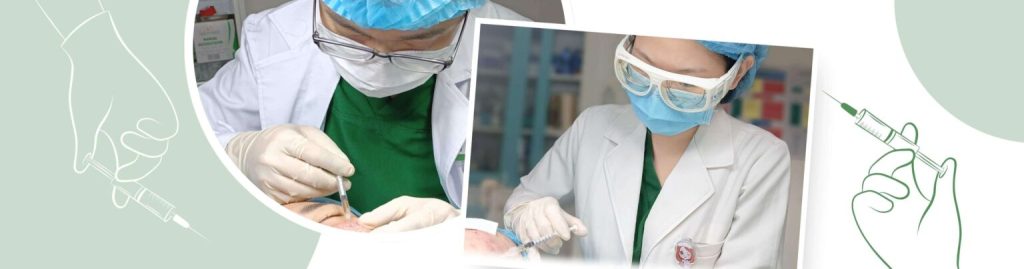
Step 1
Consultation with a Dermatologist to prescribe a treatment regimen suitable for the skin condition.
Step 2
About 20 – 30ml of blood is drawn to perform tests, including screening for Hepatitis and HIV, to ensure safety.
Step 3
After being tested and confirmed safe, the blood undergoes high-speed centrifugation to separate red blood cells from the plasma.
(This plasma is centrifuged at high speed a second time to obtain a small amount of Platelet-Rich Plasma (PRP), and an activator is added to create the final product.)
Step 4
Facial cleansing including makeup removal, face washing, exfoliation, and skin balancing.
Step 5
Anesthesia application and disinfection.
Step 6
The Dermatologist performs the PRP mesotherapy injection.
(Any remaining PRP after injection will be applied topically to enhance treatment effectiveness.)
Step 7
Disinfect the treated skin area again.
Step 8
Apply a recovery mask.
Step 9
Biolight biological light therapy.
Step 10
Post-treatment skincare instructions.
Clinically, Doctors use the client’s own platelet-rich plasma for injection. Therefore, blood collection and extraction procedures must adhere to strict infection control principles to prevent mix-ups and cross-contamination.
The Role of Platelet-Rich Plasma (PRP) in Acne Scar Treatment
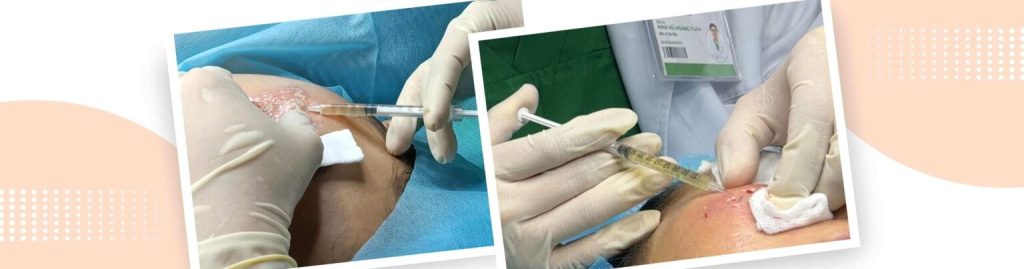
Platelet-rich plasma (PRP) is widely applied in dermatology due to its ability to activate tissue regeneration and heal skin damage. Thanks to high concentrations of growth factors, PRP promotes fibroblast proliferation, stimulates collagen and elastin synthesis, and regulates the inflammatory response in damaged skin areas. These mechanisms are particularly suitable for treating acne scars, which involve the destruction of collagen structures and chronic inflammation in the dermis. PRP can be applied through various methods, including topical application and direct injection into the skin.
When applied topically, PRP provides nutrients directly to the skin surface, helping to soothe the skin, reduce inflammation, restore the skin barrier, and improve surface smoothness. Effectiveness is noted to be more pronounced when combined with invasive procedures such as fractional CO2 laser, RF microneedling, or traditional microneedling. The micro-injuries created by these methods create ideal conditions for PRP to penetrate deep into the skin, stimulating collagen and elastin production, accelerating the skin recovery process, and effectively fading scars.
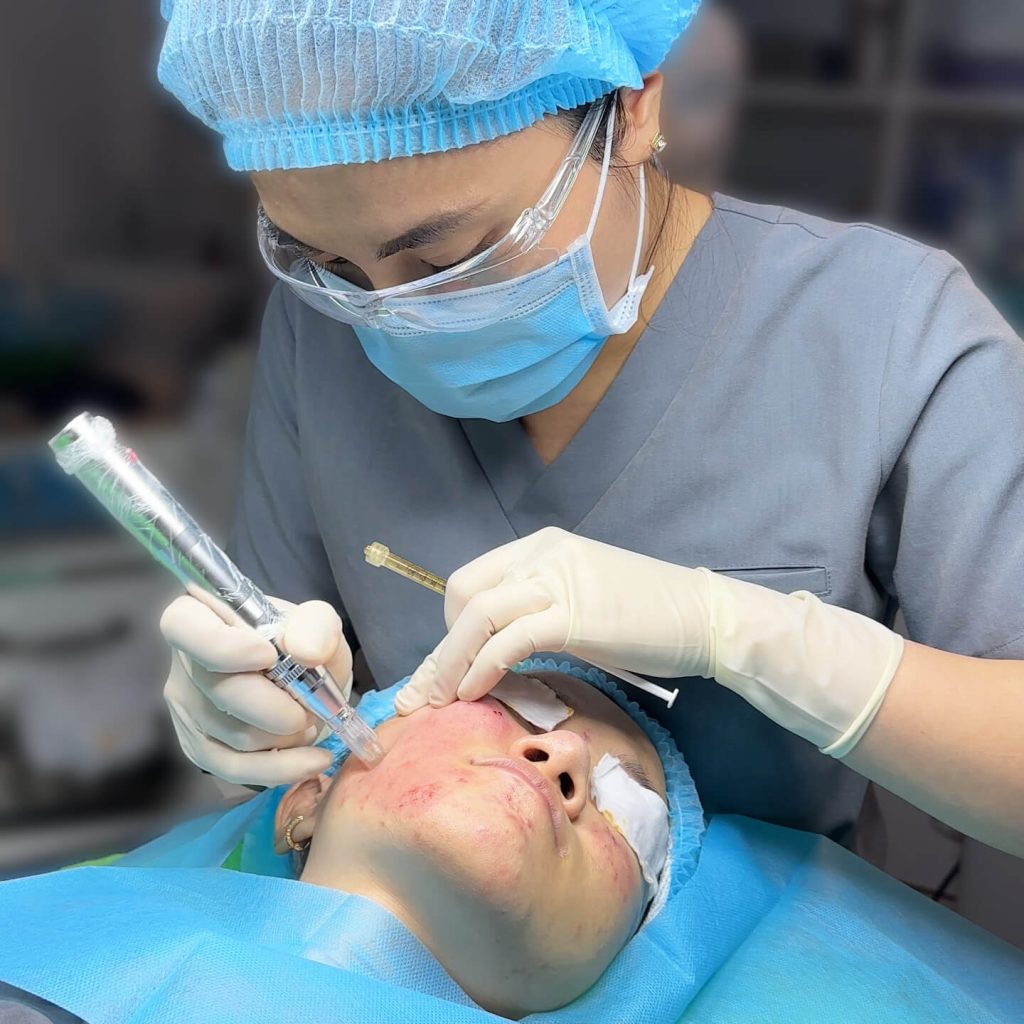
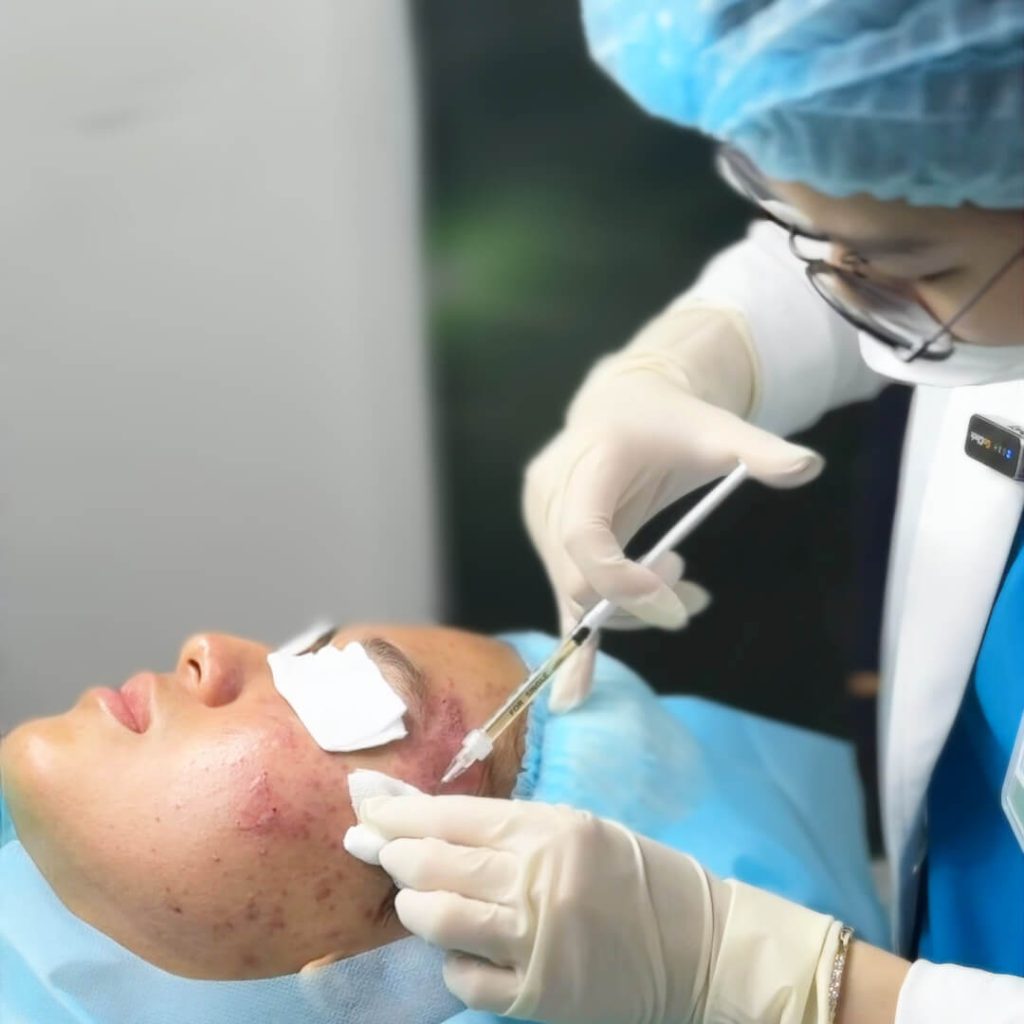
When injected directly into the dermis using the mesotherapy method, PRP acts directly on the scar base, filling pitted scars from within, resulting in smoother and firmer skin. The combination of PRP with other methods such as subcision, fractional CO2 laser, and RF microneedling not only optimizes treatment results but also minimizes redness, shortens recovery time, and supports more stable skin recovery. This combined approach is currently highly rated in many international dermatological literatures as part of an evidence-based multimodal acne scar treatment strategy.
Why Choose Doctor Acnes Clinic?
1. High Expertise
Doctor Acnes has a team of highly qualified Dermatologists, ensuring a safe and effective PRP injection process.
2. Modern Technology
The Clinic uses medical-standard equipment, optimizing the PRP extraction and injection process.
3. Personalized Treatment
Each client receives a tailored treatment plan suitable for their skin condition, ensuring optimal results.
4. Safety and Efficacy
The PRP injection process at Doctor Acnes strictly adheres to Ministry of Health standards, ensuring no risk of cross-contamination during the PRP procedure.
5. Professional Service
Clients receive dedicated consultation and attentive care throughout the treatment process, ensuring absolute satisfaction and peace of mind.
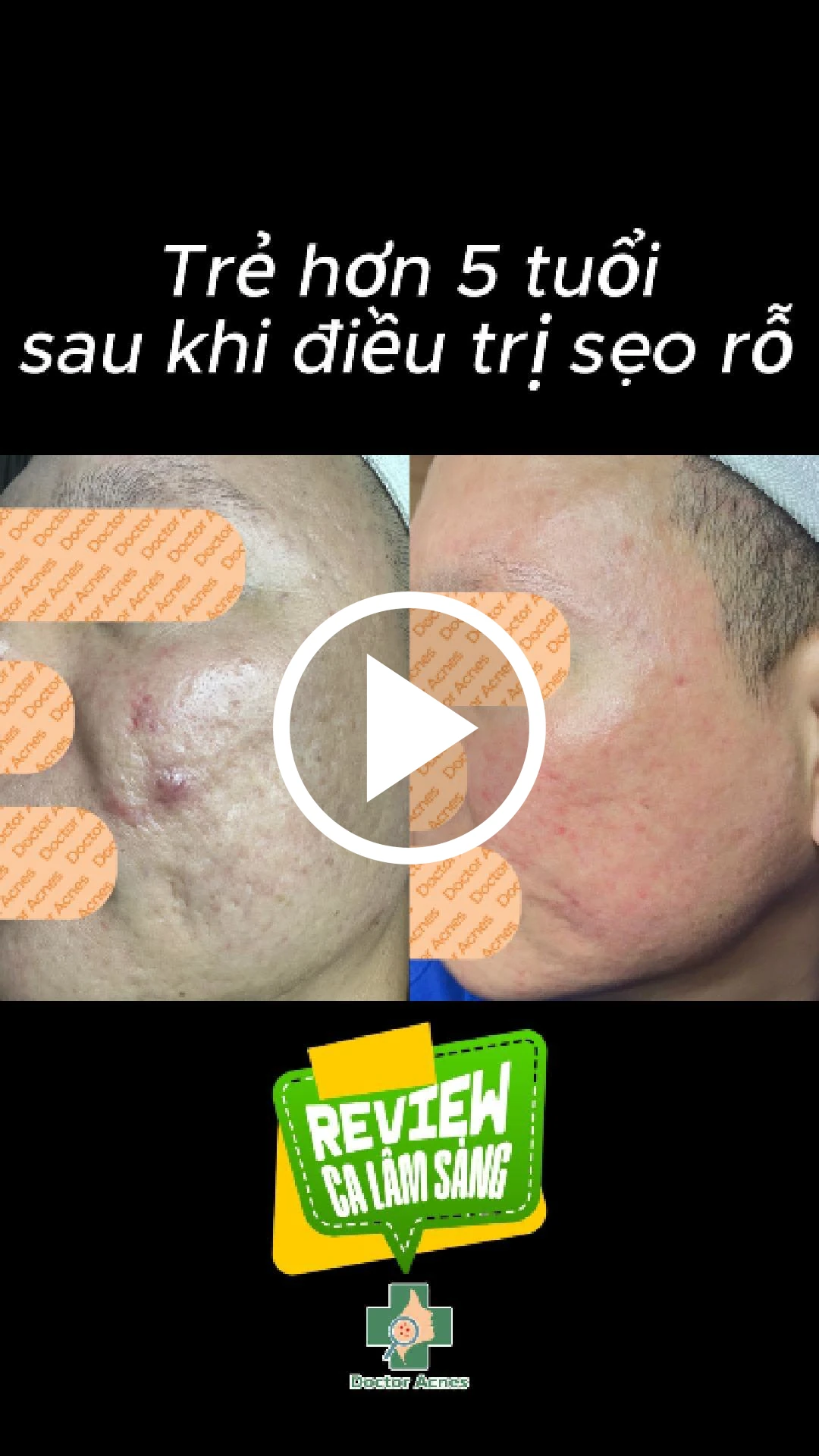
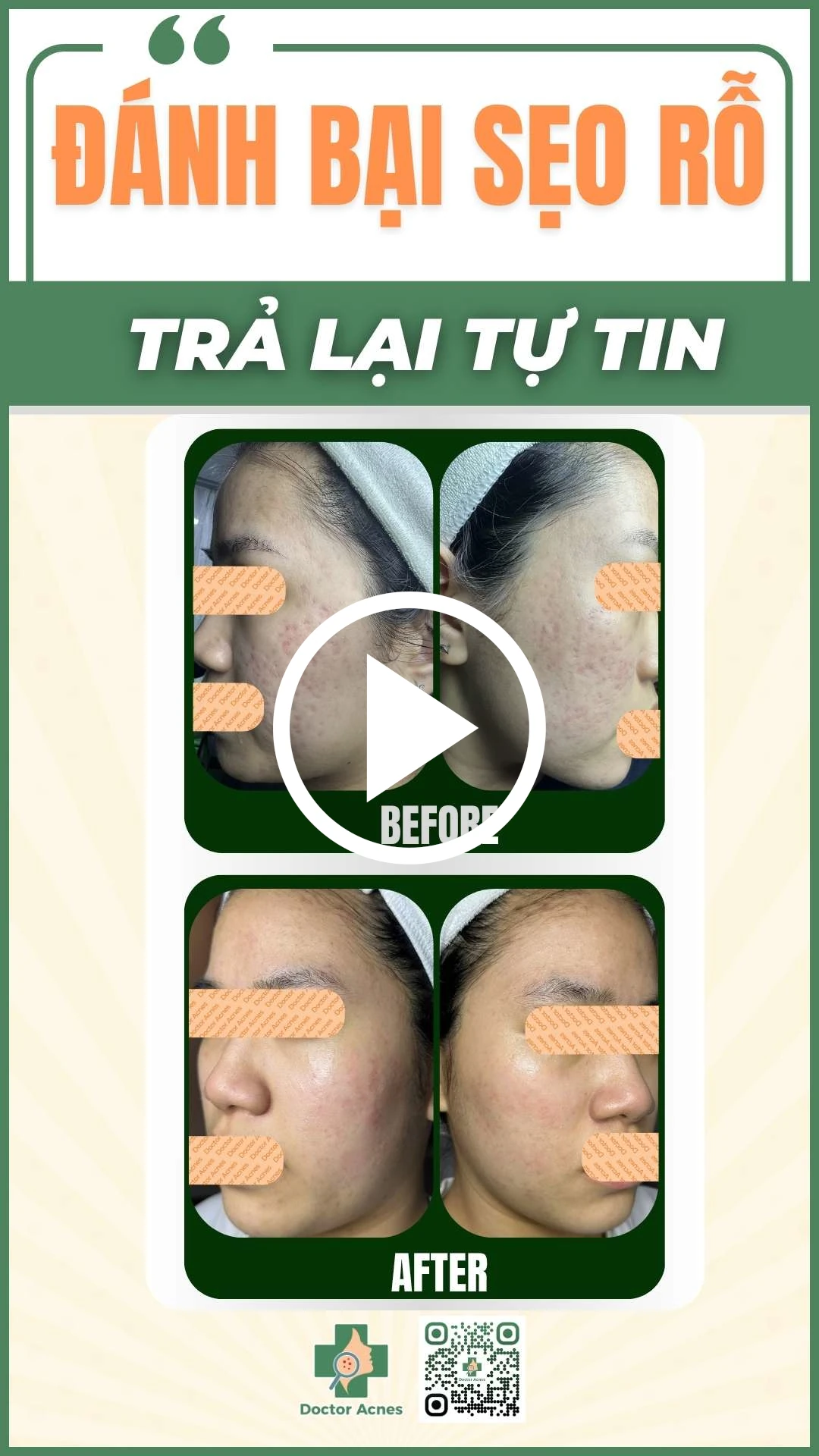
Effectiveness of Platelet-Rich Plasma Therapy
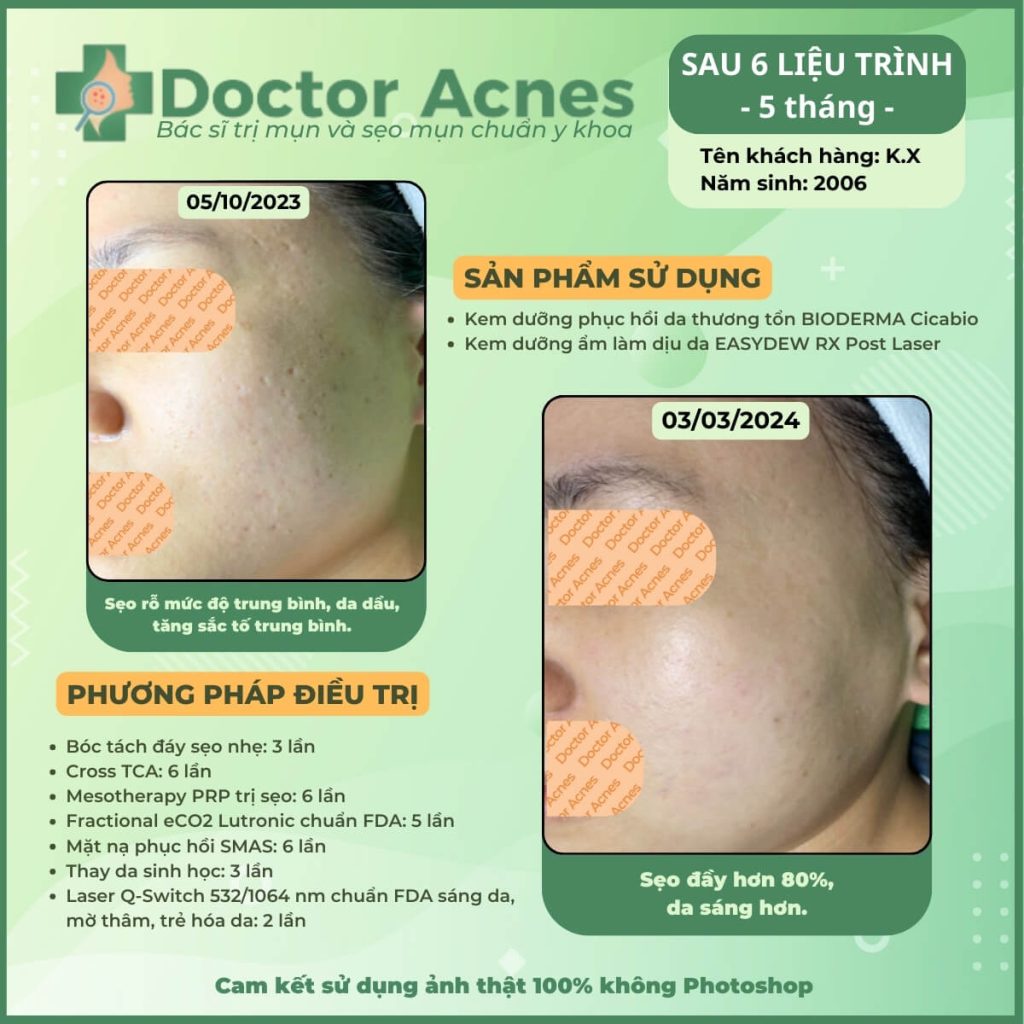

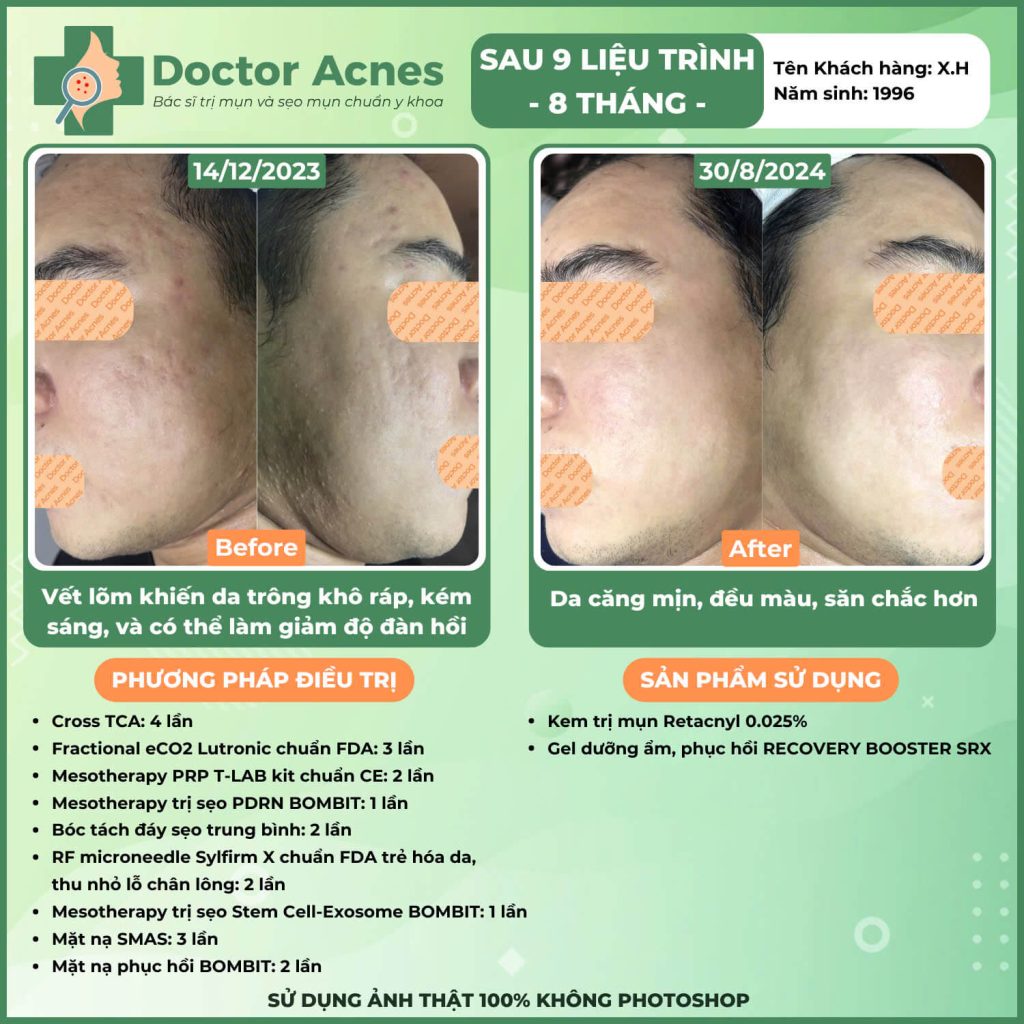
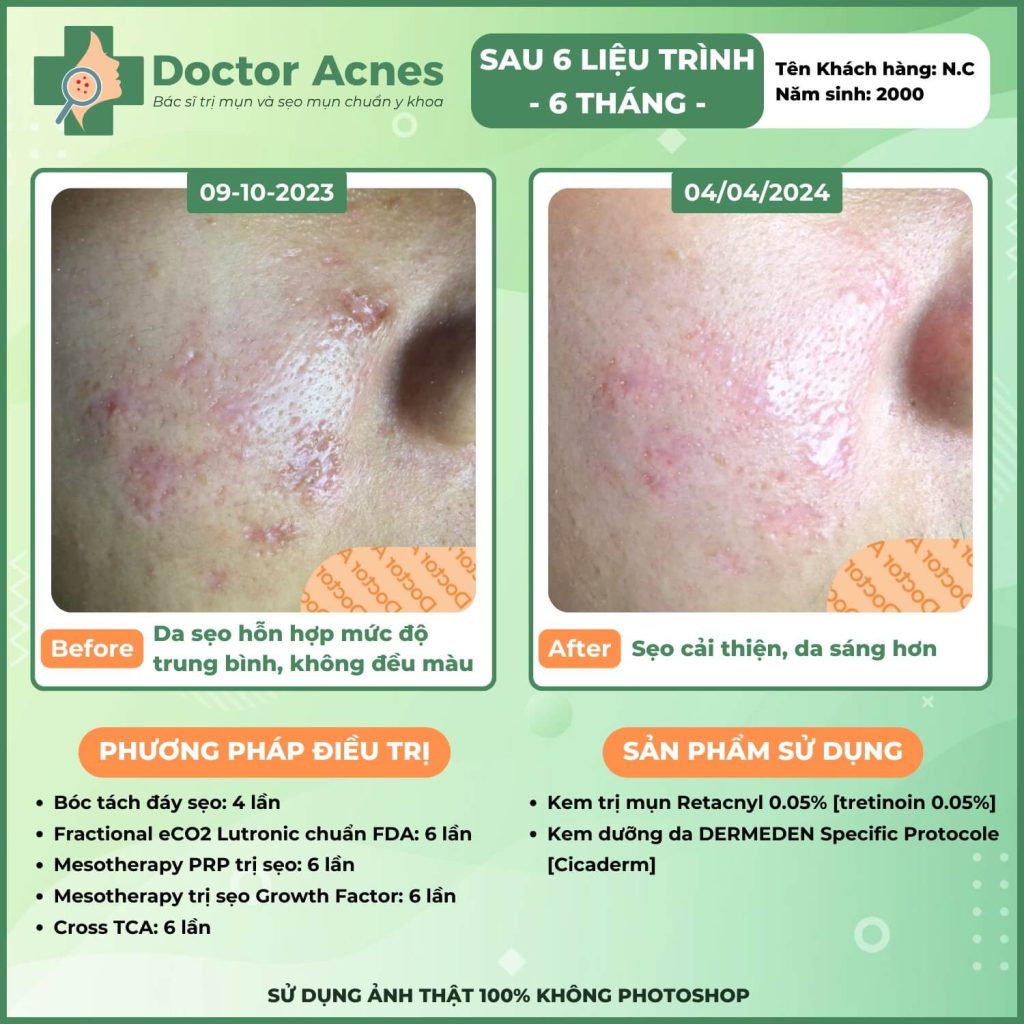
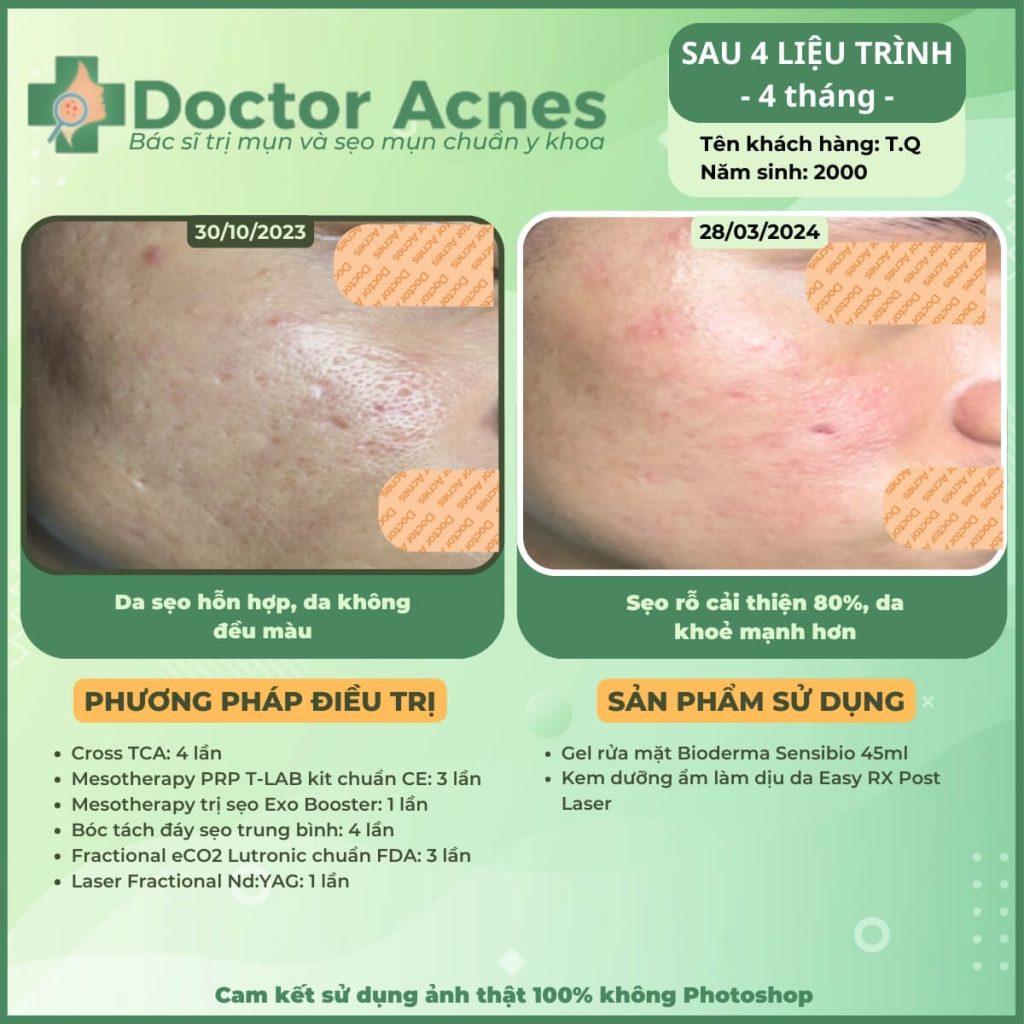
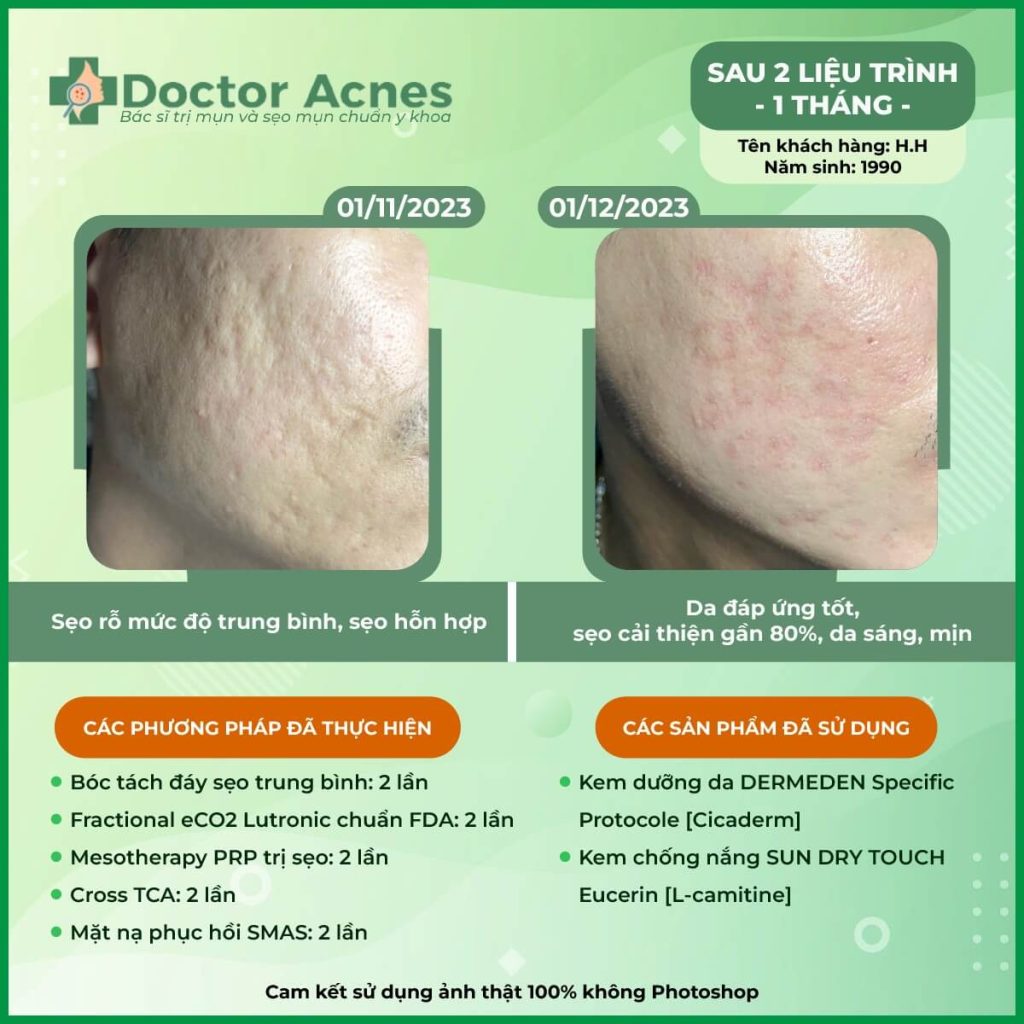
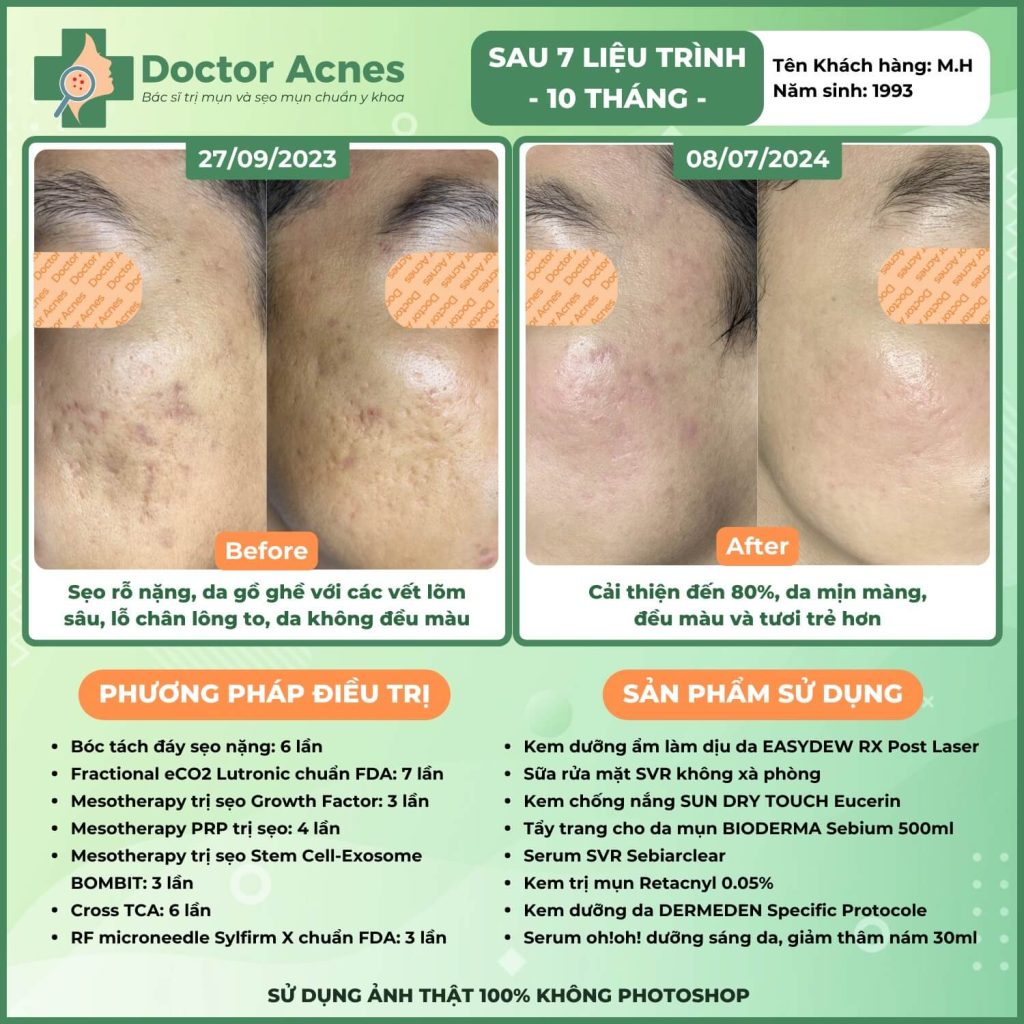
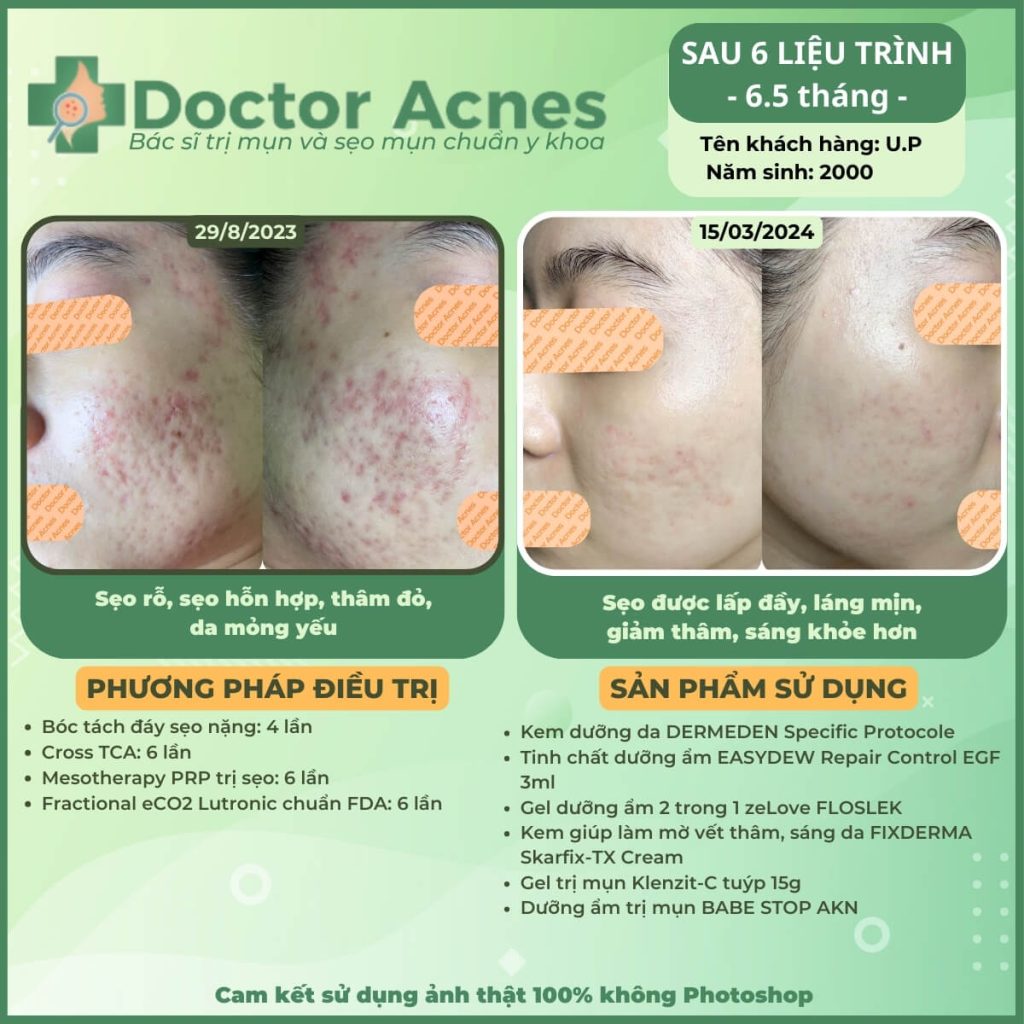

Dermatologist Assessment of Treatment Efficacy



FREQUENTLY ASKED QUESTIONS ABOUT PLATELET-RICH PLASMA (PRP) THERAPY
What should be noted before PRP treatment to achieve optimal results?
- A few days before the PRP treatment, you should supplement with sufficient nutrients, especially protein-rich foods like beef, bird’s nest, etc., to ensure the best blood quality.
- Maintain good health to avoid fever or flu, as acute illnesses also affect blood quality.
- In cases of current blood infections, Hepatitis B or C, HIV, or ongoing chemotherapy, PRP should not be performed.
How should I care for my skin after PRP mesotherapy injection?
- Avoid touching the injection sites for the first 2–3 hours after treatment to prevent infection.
- The PRP injection area may experience mild redness and swelling; this condition will disappear after a few days to 1 week.
- When going out, cover up carefully to avoid dust and light exposure to the treated area.
- Limit sun exposure and apply sunscreen with SPF 30 or higher.
- Avoid massaging the PRP injection area for 1 week after treatment.
- PRP is generally very safe and rarely causes complications. However, if strange symptoms occur such as prolonged pain, discharge, or severe itching, consult a Dermatologist immediately for advice and examination.
- Attend follow-up appointments as scheduled by the Doctor.
Is Platelet-Rich Plasma (PRP) safe?
- PRP is a very safe treatment method because it uses the client’s own autologous plasma, eliminating the risk of immune reactions. However, the process of extracting PRP from whole blood must strictly adhere to standard procedures to avoid cross-contamination. PRP injection also requires strict adherence to sterile principles to prevent infection at the injection site.
To book a Platelet-Rich Plasma (PRP) treatment course, please contact Doctor Acnes Clinic today.
We will contact you for a consultation as soon as possible.