


 |
Cosmeceuticals & Devices FDA/CE Approved |
 |
100% of Customers Examined by Dermatologists |
 |
Infection control Follows MoH's standard |
Steroid-damaged skin recovery

What is corticoid?
Corticoid (corticosteroid) is a steroid hormone secreted by the adrenal cortex, commonly used as an anti-inflammatory drug in medicine. In addition to oral and injectable forms, corticoid is also available in creams or ointments for topical application, widely used in dermatology.
Corticoid is often prescribed in the treatment of skin diseases such as atopic dermatitis, contact dermatitis with a short duration and appropriate dosage (about 1 – 2 weeks). However, if not used according to the Doctor’s prescription, especially at high doses for a long time, it can cause serious side effects and lead to “steroid-damaged skin”.
What is steroid-damaged skin?

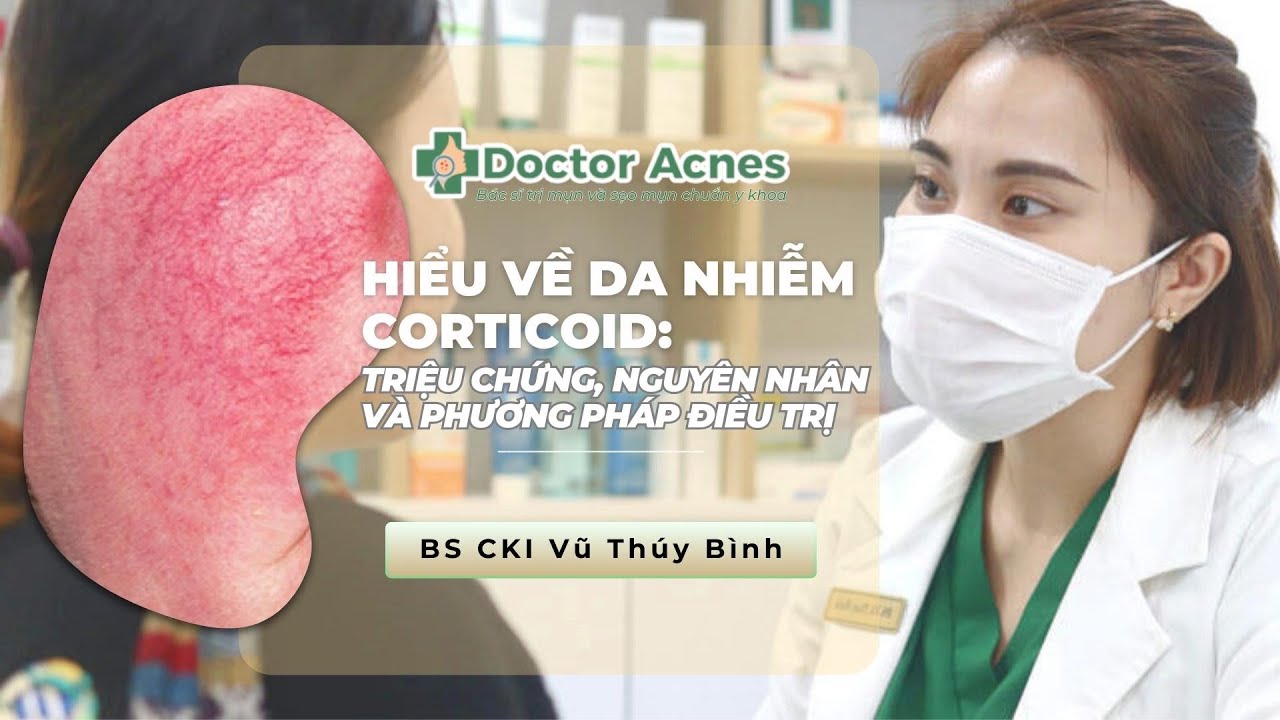
Corticoid-induced dermatitis is a condition where the skin is damaged due to the accumulation of corticoid over a long period when applied directly to the skin, commonly known as “steroid-damaged skin”.
Common manifestations of corticoid-induced dermatitis are thin and weak skin, dilated blood vessels causing congestion that makes the skin red, burning and the appearance of tiny pimples.
6 identifying signs of steroid-damaged skin

Dry, peeling skin
As the mildest form of damage, the skin will experience mild peeling, slight roughness and a tingling itch

Acute dermatitis
A rash of tiny pustules spreading over the entire face, secreting yellow-brown fluid, with swollen and painful skin. If not treated promptly, the skin becomes densely covered with red papules and dark spots

Dilated blood vessels
Long-term use of corticoid causes dilation of capillaries under the skin, resulting in red, hot, easily irritated, tight, edematous and stinging skin

Seborrheic dermatitis and acne rash
Oily skin, excessive sebum, a uniform non-comedonal acne rash, hot, red, burning and stinging

Skin atrophy, skin thinning
Very thin skin, stretch marks, possibly accompanied by perioral dermatitis

Irritant contact dermatitis
Red, burning, painful, dry, peeling skin; in severe cases, the skin can form scaly patches, blisters with yellow-brown fluid and infected pustules
Causes of steroid-damaged skin
In Vietnam, corticoid-induced dermatitis often stems from the use of cheap cosmetics with unknown origins and ingredients such as mixed creams, medicinal alcohol, medicinal pastes… These products are often advertised with the effects of skin whitening, rapid acne treatment, radical melasma treatment and are sold rampantly on social networks and at disreputable spas.
These products often contain many ingredients, mixed without a specific formula, such as antibiotics, anti-inflammatories, aspirin, vitamin C, E, PP, alpha arbutin, salicylic acid, hydroquinone, glutathione, tretinoin, sulfur… and especially a large amount of corticoid. Initially, these products are effective in whitening the skin, making the skin smooth quickly, but long-term use leads to dependence and causes steroid-damaged skin.

Consequences of steroid-damaged skin

- Thins the skin, reduces collagen and elastin, disrupts the microbiome (bacteria, fungi) making the skin more fragile and vulnerable.
- Blood vessels under the skin become visible, leading to skin redness, vasodilation and acne breakouts.
- Prolonged use of corticoid can cause dependence, making the skin prone to inflammation, irritation and difficult to recover when stopping use.
- Steroid-damaged skin is susceptible to other problems such as infection, hyperpigmentation, melasma patches and leaving scars on the skin.
Steroid-damaged skin recovery methods at Doctor Acnes
Medication use
In cases of corticoid-dependent skin, severe infection or accompanying fungal superinfection, clients need to gradually reduce the corticoid dose and use oral medication under the guidance of a Doctor to treat the infection before treating other conditions such as vasodilation or skin recovery.


Skin care
After the skin condition has been controlled, clients can use topical products that help soothe the skin, reduce inflammation and stimulate skin recovery. Priority should be given to products with natural, gentle, non-irritating ingredients for the skin.
Electrophoresis
Electrophoresis is a non-invasive treatment method using electrical currents to enhance the absorption of active ingredients into the skin, which is very useful for steroid-damaged skin. This method helps enhance the penetration of nutrients such as vitamins and minerals, thereby nourishing and repairing the skin. At the same time, electrophoresis therapy also helps reduce inflammation, redness, improve elasticity and stimulate blood circulation, supporting the cell regeneration process.


RF microneedle
RF microneedling or RF microneedle is a microneedling method integrated with RF waves applied for steroid-damaged skin recovery, aiming to regenerate damaged skin and restore the natural skin barrier. When using the RF microneedle method, energy from RF waves creates fractional micro-thermal damage columns, then stimulates the wound healing process, constricts blood vessels, promotes the proliferation of collagen and elastin and restructures the skin from deep within. This helps the skin recover, reduces redness and thinning and restores firmness.
Mesotherapy
Mesotherapy is a method using micro-needles to deliver essential nutrients deep into the skin, helping topical steroid-damaged skin recovery. Depending on the corticoid infection status, the Doctor will prescribe appropriate ingredients, among which peptides are the main ingredients often applied with the ability to reinforce the skin barrier, stimulate collagen and elastin production, reduce inflammation, reduce redness, limit hyperpigmentation and improve skin elasticity.
In addition, other ingredients such as niacinamide, hyaluronic acid, pantothenic acid, pyridoxine, biotin, vitamins, zinc… help the skin regenerate, reduce inflammation, restore protective functions, strengthen the immune system to make the skin healthier, provide antioxidant effects, slow down the aging process and improve uneven skin tone.
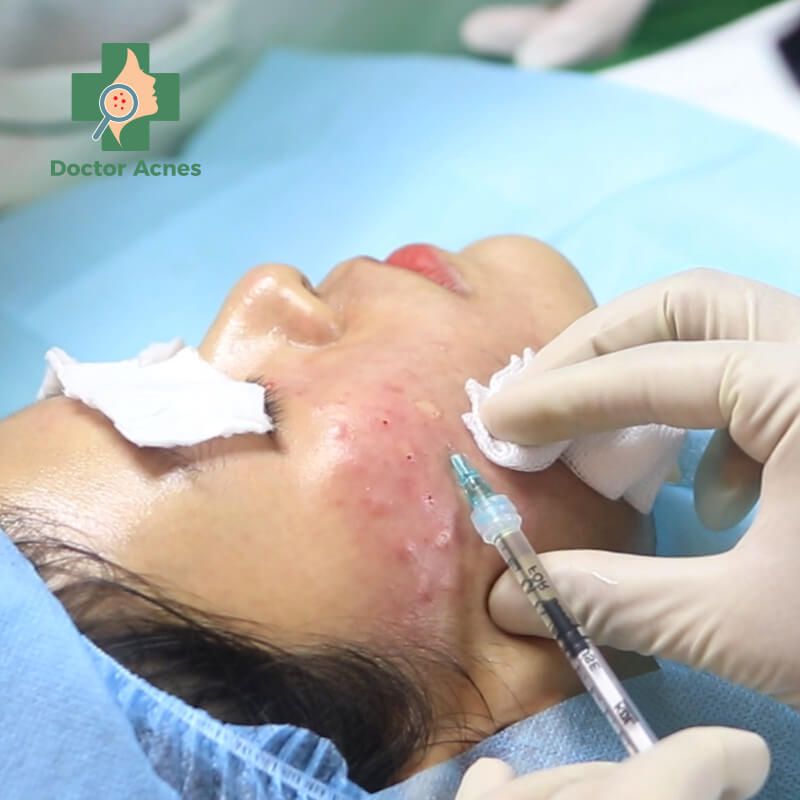

Platelet-rich plasma (PRP)
PRP is a method using autologous blood; after centrifugation, the platelet-rich plasma is separated to be delivered back into the skin to support damage repair and skin regeneration. When PRP is delivered into the skin area needing improvement, growth factors from platelets will participate in regulating the inflammatory response and activating the healing process, thereby promoting collagen and elastin proliferation, improving elasticity and supporting skin barrier recovery.
With weak, easily reddened and thin skin due to corticoid infection, PRP is often considered as a recovery acceleration step to help the skin become healthier over time, reduce the uncomfortable stinging sensation and improve rough skin texture. In addition, PRP can be combined with other methods as prescribed by the Doctor to optimize effectiveness and shorten recovery time.
IPL
IPL (intense pulsed light) is a method using high-intensity pulsed light to improve skin lesions such as acne, telangiectasia, redness, dark spots and uneven skin tone. IPL works by emitting broad-spectrum light pulses that penetrate the epidermis and dermis, absorbing melanin and hemoglobin pigments in blood vessels, helping to reduce vasodilation and improve skin pigmentation. In addition, IPL also kills bacteria, reduces inflammation, stimulates new collagen production, makes the skin firm, bright and healthy, increases elasticity and supports skin recovery after corticoid-induced damage.


585nm PDL laser
PDL laser 585nm (pulsed dye laser) has been considered the gold standard in treating skin blood vessels for over 20 years. The 585nm wavelength is strongly absorbed by oxyhemoglobin in blood vessels, breaking down dilated capillaries without damaging surrounding tissues. This method not only minimizes symptoms like skin redness and vasodilation but also stimulates collagen proliferation, regenerates skin structure, supports the recovery of skin damaged by corticoid infection, bringing smoother and more even-toned skin.
Long-pulsed 1064nm Nd:YAG laser
Steroid-damaged skin recovery using a long-pulsed 1064nm Nd:YAG laser is a method that helps improve telangiectasia, redness and skin damage caused by corticoid. The long-pulsed 1064nm wavelength can target oxyhemoglobin present in capillaries and deep blood vessels, helping to constrict capillaries, reduce skin redness, erythema, congestion and even out skin tone without damaging surrounding tissues. At the same time, this therapy also shrinks sebaceous glands, reduces bacteria, stimulates collagen production, regenerates cells, improves skin elasticity and structure and supports the healthy skin recovery process.

How to care for steroid-damaged skin?

- Wash face with gentle, low-irritating cleansers.
- Choose appropriate, gentle, fragrance-free skin care products. Avoid products containing menthol, camphor, sodium lauryl sulfate.
- Limit makeup.
- Limit touching inflamed, irritated skin areas, rubbing the skin.
- Protect skin from the sun, always use sunscreen with SPF 30+ or higher and fragrance-free, containing zinc oxide or titanium dioxide.
- Limit tension and stress as it can worsen the corticoid-induced acne rash.
- Review currently used medications because some cardiovascular, antidepressant, migraine drugs and high-dose vitamin B3 can worsen skin redness. Do not arbitrarily stop or change medications without the Doctor’s consent.
Steroid-damaged skin recovery effectiveness at Doctor Acnes


Dermatologist evaluates treatment effectiveness


BOOK AN APPOINTMENT NOW
Why choose Doctor Acnes for steroid-damaged skin recovery

- 100% of Doctors examining and treating at Doctor Acnes Clinic are Dermatologists
- The team of Nurses and Technicians at Doctor Acnes Clinic is continuously trained and has medical skills in caring for acne-prone skin and acne scars
- 100% of the acne treatment and acne scar treatment procedures at Doctor Acnes Clinic are developed and optimized by a team of Dermatologists and Pharmacists specializing in cosmeceuticals
- All products used in the skin care process for clients are genuine, reputable cosmeceuticals trusted by Dermatologists
- The laser and light systems used at Doctor Acnes Clinic are 100% new, approved by the US FDA and officially imported into the Vietnamese market with full certification documents
- Medical-standard comedone extraction tools, single-use only
- Infection prevention and control process according to Ministry of Health standards
Steroid-damaged skin recovery procedure at Doctor Acnes

Step 1
Book an appointment
Step 2
Check in and fill out information (only applicable for first-time clients at the Clinic)
Step 3
Examine, consult with the Dermatologist and provide suitable treatment methods
Step 4
Clients pay the fee at the pharmacy counter
Step 5
Dermatologist directly performs invasive procedures; skin care techniques are performed by nurses
Step 6
Pharmacist advises on the use of cosmeceuticals for home skin care
Step 7
Follow-up time is scheduled by the Doctor and recorded on the dermatological examination slip
Frequently asked questions about steroid-damaged skin recovery methods

Can steroid-damaged skin recover on its own?
- Steroid-damaged skin can recover on its own, especially when the infection is mild and detected early. If you encounter this condition, stop using the suspected product immediately and use gentle skin care products to support recovery.
- However, you should go to reputable clinics to be advised on suitable regimens and products, ensuring a clear origin for the damaged skin.
How long does steroid-damaged skin recovery take?
- The time for steroid-damaged skin recovery depends on the extent of the damage and the treatment method, which can take from a few months to a few years. Methods such as RF microneedle, laser, or mesotherapy help speed up the treatment process, but need to be combined with a daily skin care regimen, using recovery moisturizers, protecting the skin from harmful agents like sunlight and most importantly, finding reputable Dermatology Clinics for appropriate treatment methods.
Can I wear makeup on steroid-damaged skin?
- You should not wear makeup or use any cosmetics while the skin is damaged. If you must wear makeup, choose liquid makeup products that are free of mineral oil, non-comedogenic and remove makeup as soon as possible.
How to know if the product being used contains corticoid?
- Read the ingredient list for “mainstream” products or consult a Doctor, Pharmacist.
- Products rampant in the market with attractive advertisements and promises such as beautifying skin, treating acne, whitening skin, fading melasma “rapidly” – “after just a few days” mostly contain corticoid.
- Send the product to testing centers if the ingredients and concentrations are unclear.
To register for examination and steroid-damaged skin recovery, please contact Doctor Acnes Clinic today.
We will contact you for consultation as soon as possible.